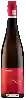
Winery Weinmanufaktur GengenbachFessenbacher Spätburgunder
 Red wine



In the mouth this red wine is a with a nice freshness.
This wine generally goes well with poultry, beef or veal.

Taste structure of the Fessenbacher Spätburgunder from the Winery Weinmanufaktur Gengenbach
Light | Bold | |
Smooth | Tannic | |
Dry | Sweet | |
Soft | Acidic |
In the mouth the Fessenbacher Spätburgunder of Winery Weinmanufaktur Gengenbach in the region of Baden is a with a nice freshness.
Food and wine pairings with Fessenbacher Spätburgunder
Pairings that work perfectly with Fessenbacher Spätburgunder



Original food and wine pairings with Fessenbacher Spätburgunder

The Fessenbacher Spätburgunder of Winery Weinmanufaktur Gengenbach matches generally quite well with dishes of beef, veal or game (deer, venison) such as recipes of autumn leaves, simple veal sauté or saddle of venison with fresh cream.
Details and technical informations about Winery Weinmanufaktur Gengenbach's Fessenbacher Spätburgunder.
Discover the grape variety: Centennial seedless
Table grape with long bunches and elongated golden seedless (pipless) berries, thin skin and crunchy flesh with a pleasant sweet flavour. Early ripening and productive. Very rarely vinified. Grown in California, Chile, South Africa and Australia for export markets, prized for its attractive appearance and good shelf life. American seedless white table grape variety, developed in California in 1980.
Last vintages of this wine
The best vintages of Fessenbacher Spätburgunder from Winery Weinmanufaktur Gengenbach are 0
Informations about the Winery Weinmanufaktur Gengenbach
The Winery Weinmanufaktur Gengenbach is one of of the world's great estates. It offers 93 wines for sale in the of Baden to come and discover on site or to buy online.

The wine region of Baden
German capital of Pinot Noir (Spätburgunder): silky, fine reds with notes of red fruits, cherry, undergrowth and sweet spices, melted tannins. Round Grauburgunder (Pinot Gris), lively Weissburgunder, supple Müller-Thurgau, mineral Riesling. Germany's 3rd region (15,000 ha) in Baden-Württemberg facing Alsace, one of the country's warmest climates, volcanic soils at the Kaiserstuhl. Cradle of modern great German reds, elegant and fine.
The word of the wine: Part
Name of the barrel used in Burgundy (capacity of 228 litres).