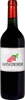
Weingut Zur Römerkelter - Timo DienhartPinot Noir Rosé Trocken
 Pink wine
This wine generally goes well with pork, poultry or veal.

Wine flavors and olphactive analysis

Food and wine pairings with Pinot Noir Rosé Trocken
Pairings that work perfectly with Pinot Noir Rosé Trocken



Original food and wine pairings with Pinot Noir Rosé Trocken


The Pinot Noir Rosé Trocken of Weingut Zur Römerkelter - Timo Dienhart matches generally quite well with dishes of veal, pork or game (deer, venison) such as recipes of chicken bonne femme, country-style snow peas or wild boar ragout with kriek.
Details and technical informations about Weingut Zur Römerkelter - Timo Dienhart's Pinot Noir Rosé Trocken.
Discover the grape variety: Pinot noir
Elegant reds, light in colour with silky tannins, showing strawberry, cherry and raspberry aromas, evolving to forest floor, mushroom and spice with age. Fresh acidity, delicate finish. Star of the Côte d'Or (Romanée-Conti, Chambertin, Volnay), pillar of Champagne (Blanc de Noirs) and signature of Oregon, Central Otago and Sonoma Coast. An early-ripening Burgundian variety, one of the world's greatest.
Informations about the Weingut Zur Römerkelter - Timo Dienhart
The Weingut Zur Römerkelter - Timo Dienhart is one of of the world's great estates. It offers 34 wines for sale in the of Mosel to come and discover on site or to buy online.

The wine region of Mosel
Kingdom of lively, crystalline Riesling: citrus, green apple, gunflint, tangy tension and signature slate minerality. From light, fruity Kabinett to off-dry Spätlese, up to sweet Auslese and Trockenbeerenauslese of rare finesse. Some supple Müller-Thurgau and lively Elbling. Steeply sloped vineyards (up to 65% at the Bremmer Calmont) on blue and grey slate, 5,400 ha of Riesling (61.
The word of the wine: Performance
Quantity of grapes harvested per hectare. In AOC, the average yield is limited on the proposal of the appellation syndicate, validated by the Inao. The use of high-performance plant material (especially clones) and better control of vine diseases have increased yields. This is not without consequences on the quality of the wines (dilution) and on the state of the market (too much wine). We must not over-simplify: low yields are not synonymous with quality, and it is often in years with generous harvests that we find the greatest vintages (1982 and 1986 in Bordeaux, 1996 in Champagne, 1990 and 2005 in Burgundy...).