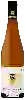
Weingut Dr. WehrheimGrauer Burgunder Sandstein
 White wine
In the mouth this white wine is a .
This wine generally goes well with pork, cured meat or mushrooms.

Taste structure of the Grauer Burgunder Sandstein from the Weingut Dr. Wehrheim
Light | Bold | |
Dry | Sweet | |
Soft | Acidic |
In the mouth the Grauer Burgunder Sandstein of Weingut Dr. Wehrheim in the region of Pfalz is a .
Food and wine pairings with Grauer Burgunder Sandstein
Pairings that work perfectly with Grauer Burgunder Sandstein



Original food and wine pairings with Grauer Burgunder Sandstein

The Grauer Burgunder Sandstein of Weingut Dr. Wehrheim matches generally quite well with dishes of pork, spicy food or mushrooms such as recipes of kig ha farz (breton stew), shrimp and zucchini with curry and coconut milk or chicken with tomato.
Details and technical informations about Weingut Dr. Wehrheim's Grauer Burgunder Sandstein.
Discover the grape variety: Belair
Simple, supple and fruity reds to drink young, with a clear ruby robe, soft tannins and an airy palate with moderate acidity on undemonstrative red fruit aromas. Now virtually extinct, preserved in INRAE varietal collections, it testifies to the pre-phylloxera ampelographic diversity of French vineyards and forms part of the patrimonial varieties under study. Rare French black variety, formerly grown in the South-West.
Informations about the Weingut Dr. Wehrheim
The Weingut Dr. Wehrheim is one of of the world's great estates. It offers 59 wines for sale in the of Pfalz to come and discover on site or to buy online.

The wine region of Pfalz
Fleshy, dry, fruity Riesling is the region's signature: yellow peach, apricot, ripe citrus, lovely mineral tension. Germany's largest red-wine area (40%), with silky Spätburgunder showing red fruit and spice, darker structured Dornfelder, supple Portugieser. Some rounded Pinot Blanc and Pinot Gris. A 23,640 ha vineyard along the Haardt, among Germany's warmest (>2,000 h of sun).
The word of the wine: Breaking
Accident (oxidation or reduction) causing a loss of limpidity of the wine.