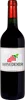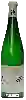
Weingut SchwaabRiesling Trocken
 White wine



In the mouth this white wine is a with a nice freshness.
This wine generally goes well with pork, poultry or shellfish.

Taste structure of the Riesling Trocken from the Weingut Schwaab
Light | Bold | |
Dry | Sweet | |
Soft | Acidic |
In the mouth the Riesling Trocken of Weingut Schwaab in the region of Mosel is a with a nice freshness.
Food and wine pairings with Riesling Trocken
Pairings that work perfectly with Riesling Trocken



Original food and wine pairings with Riesling Trocken


The Riesling Trocken of Weingut Schwaab matches generally quite well with dishes of pork, shellfish or spicy food such as recipes of potato and bacon omelette, shrimp and cherry tomato quiche or chicken with maroilles.
Details and technical informations about Weingut Schwaab's Riesling Trocken.
Discover the grape variety: Riesling
Crystalline, taut whites with vibrant acidity and aromas of citrus, green apple, white flowers, vineyard peach and mineral/petrol notes with age. Made as dry (Trocken, Alsace), off-dry (Kabinett, Spätlese) and sweet (Auslese, Beerenauslese, Trockenbeerenauslese, late harvest). Star of the Moselle, Rheingau, Alsace AOC and Wachau. Also exported to Clare Valley and Finger Lakes.
Last vintages of this wine
The best vintages of Riesling Trocken from Weingut Schwaab are 0
Informations about the Weingut Schwaab
The Weingut Schwaab is one of of the world's greatest estates. It offers 24 wines for sale in the of Mosel to come and discover on site or to buy online.

The wine region of Mosel
Kingdom of lively, crystalline Riesling: citrus, green apple, gunflint, tangy tension and signature slate minerality. From light, fruity Kabinett to off-dry Spätlese, up to sweet Auslese and Trockenbeerenauslese of rare finesse. Some supple Müller-Thurgau and lively Elbling. Steeply sloped vineyards (up to 65% at the Bremmer Calmont) on blue and grey slate, 5,400 ha of Riesling (61.
The word of the wine: Oxidative (breeding)
A method of ageing which aims to give the wine certain aromas of evolution (dried fruit, bitter orange, coffee, rancio, etc.) by exposing it to the air; it is then matured either in barrels, demi-muids or unoaked casks, sometimes stored in the open air, or in barrels exposed to the sun and to temperature variations. This type of maturation characterizes certain natural sweet wines, ports and other liqueur wines.