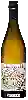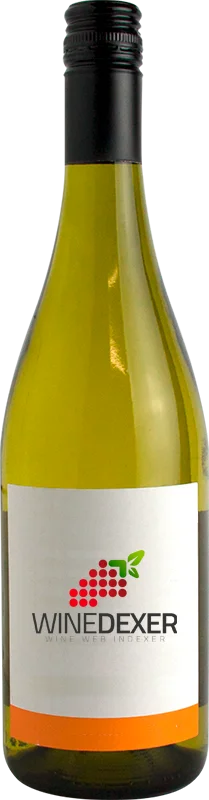
Weingut Leonhard ZeterWeissburgunder Trocken
 White wine



In the mouth this white wine is a with a nice freshness.
This wine generally goes well with rich fish (salmon, tuna etc), shellfish or mild and soft cheese.

Taste structure of the Weissburgunder Trocken from the Weingut Leonhard Zeter
Light | Bold | |
Dry | Sweet | |
Soft | Acidic |
In the mouth the Weissburgunder Trocken of Weingut Leonhard Zeter in the region of Pfalz is a with a nice freshness.
Food and wine pairings with Weissburgunder Trocken
Pairings that work perfectly with Weissburgunder Trocken



Original food and wine pairings with Weissburgunder Trocken

The Weissburgunder Trocken of Weingut Leonhard Zeter matches generally quite well with dishes of rich fish (salmon, tuna etc), shellfish or mild and soft cheese such as recipes of tuna gratin, curried mouclade à la charentaise or express white pizza with zucchini and mozzarella.
Details and technical informations about Weingut Leonhard Zeter's Weissburgunder Trocken.
Discover the grape variety: Roi des blancs
Simple, fresh dry whites with a pale golden colour, a supple palate with moderate acidity and understated aromas of citrus and white flowers. Discreet rustic profile. Preserved in a few ampelographic collections for its heritage value; belongs to the old varieties whose commercial diffusion has almost disappeared and which are studied for their genetic and historical interest. Rare, poorly documented white variety cultivated in negligible quantities.
Last vintages of this wine
The best vintages of Weissburgunder Trocken from Weingut Leonhard Zeter are 0
Informations about the Weingut Leonhard Zeter
The Weingut Leonhard Zeter is one of of the world's greatest estates. It offers 27 wines for sale in the of Pfalz to come and discover on site or to buy online.

The wine region of Pfalz
Fleshy, dry, fruity Riesling is the region's signature: yellow peach, apricot, ripe citrus, lovely mineral tension. Germany's largest red-wine area (40%), with silky Spätburgunder showing red fruit and spice, darker structured Dornfelder, supple Portugieser. Some rounded Pinot Blanc and Pinot Gris. A 23,640 ha vineyard along the Haardt, among Germany's warmest (>2,000 h of sun).
The word of the wine: Liqueur wine
Unfermented must with added brandy, also called liqueur wine: Pineau des Charentes, Floc de Gascogne, Macvin du Jura, Ratafia, Cartagène du Languedoc.