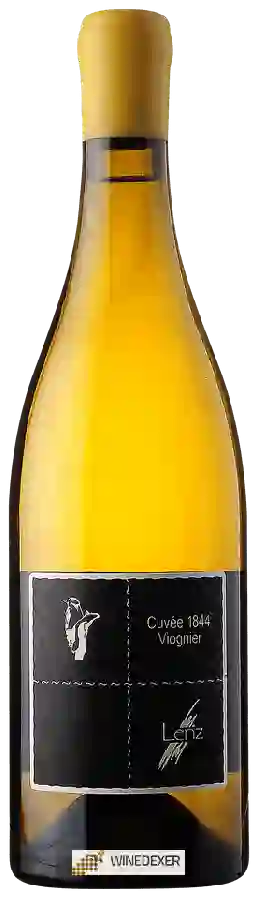
Weingut LenzCuvée 1844 Viognier
 White wine


This wine generally goes well with pork, poultry or game (deer, venison).
The Cuvée 1844 Viognier of the Weingut Lenz is in the top 30 of wines of Thurgau.
Food and wine pairings with Cuvée 1844 Viognier
Pairings that work perfectly with Cuvée 1844 Viognier



Original food and wine pairings with Cuvée 1844 Viognier



The Cuvée 1844 Viognier of Weingut Lenz matches generally quite well with dishes of pork, game (deer, venison) or shellfish such as recipes of stuffed squid in the sétoise sauce, pizza of the south west : duck breast, roquefort or fondue with lao sukiyaki sauce (laos).
Details and technical informations about Weingut Lenz's Cuvée 1844 Viognier.
Discover the grape variety: Viognier
White Viognier is a grape variety that originated in France (Rhone Valley). It produces a variety of grape specially used for wine making. It is rare to find this grape to eat on our tables. This variety of grape is characterized by small bunches, and grapes of small size. White Viognier can be found in many vineyards: South West, Languedoc & Roussillon, Cognac, Bordeaux, Rhone Valley, Burgundy, Jura, Champagne, Savoie & Bugey, Provence & Corsica, Loire Valley, Beaujolais.
Last vintages of this wine

The best vintages of Cuvée 1844 Viognier from Weingut Lenz are 2015, 0, 2018
Informations about the Weingut Lenz
The Weingut Lenz is one of of the world's greatest estates. It offers 79 wines for sale in the of Thurgau to come and discover on site or to buy online.

The wine region of Thurgau
The wine region of Thurgau of Switzerland. Wineries and vineyards like the Domaine Weingut Lenz or the Domaine Weingut Lenz produce mainly wines red, white and pink. The most planted grape varieties in the region of Thurgau are Pinot noir, Müller-Thurgau and Cabernet-Jura, they are then used in wines in blends or as a single variety. On the nose of Thurgau often reveals types of flavors of oaky, vanilla or non oak and sometimes also flavors of oak, spices or red fruit.
The word of the wine: Servadou iron
A black grape variety from the southwest that produces a wine with spicy tannins and black currant and raspberry aromas. Under the name of Mansois, it is the main grape variety of Marcillac; it is also one of the important varieties of Gaillacois, where it is called Braucol. It is also used in the blends of other South-Western appellations (Fronton, Lavilledieu, Estaing, Madiran). Syn.: braucol, pinenc, mansois.