Weingut LenzAltus
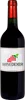
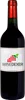
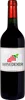
 Red wine
This wine is a blend of 3 varietals which are the Cabernet-Jura, the Pinot noir and the Merlot.
This wine generally goes well with pork, poultry or beef.

Food and wine pairings with Altus
Pairings that work perfectly with Altus



Original food and wine pairings with Altus



The Altus of Weingut Lenz matches generally quite well with dishes of beef, veal or pork such as recipes of beef tongue in hot sauce, veal tagine with prunes or wild boar bourguignon.
Details and technical informations about Weingut Lenz's Altus.
Discover the grape variety: Cabernet-Jura
Coloured, structured reds with a deep ruby robe, firm tannins and fresh acidity, showing aromas of blackcurrant, blackberry, red pepper, spices, herbs and balsamic notes evoking cabernet sauvignon. Disease-resistant interspecific variety (mildew and powdery mildew), driving force of organic vineyards in northern Europe: Switzerland, Germany, Belgium, Netherlands, UK and Denmark. Hybrid created in the 1990s by Valentin Blattner in Soyhières (Swiss Jura).
Informations about the Weingut Lenz
The Weingut Lenz is one of of the world's great estates. It offers 79 wines for sale in the of Thurgau to come and discover on site or to buy online.

The wine region of Thurgau
Wine canton of north-eastern German-speaking Switzerland on the shores of Lake Constance and the Rhine (~265 ha), cradle of Müller-Thurgau bred locally in 1882. Signature Pinot Noir (Blauburgunder) dominant in red: fine and silky with signature notes of cherry, raspberry, undergrowth, sweet spices and a mineral touch, delicate tannins and lakeside freshness. Historic Müller-Thurgau as fruity white (light muscat, apple, flowers). Also lively Riesling-Silvaner.
The word of the wine: Vinification of sweet wines
Moelleux and liquoreux wines are characterized by the presence of residual sugars (natural sugar of the grape), not transformed into alcohol under the effect of yeasts. The fermentation is stopped by cold and by the addition of sulphur dioxide (sulphur).