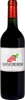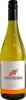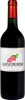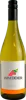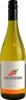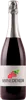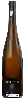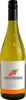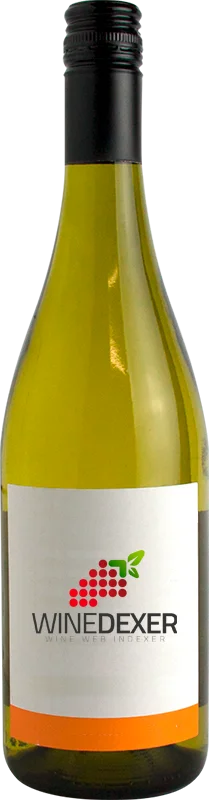
Weingut Erwin RiskeSurprise Spätburgunder Blanc de Noir Trocken
 White wine



This wine generally goes well with vegetarian
Food and wine pairings with Surprise Spätburgunder Blanc de Noir Trocken
Pairings that work perfectly with Surprise Spätburgunder Blanc de Noir Trocken

Original food and wine pairings with Surprise Spätburgunder Blanc de Noir Trocken
The Surprise Spätburgunder Blanc de Noir Trocken of Weingut Erwin Riske matches generally quite well with dishes of vegetarian such as recipes of quiche without eggs.
Details and technical informations about Weingut Erwin Riske's Surprise Spätburgunder Blanc de Noir Trocken.
Discover the grape variety: Muresconu
Muresconu noir is a grape variety that originated in France (Corsica). It produces a variety of grape especially used for the elaboration of wine. It is rare to find this grape to eat on our tables. Muresconu noir can be found in several vineyards: South-West, Cognac, Bordeaux, Provence & Corsica, Rhone Valley, Loire Valley, Savoie & Bugey, Beaujolais.
Last vintages of this wine
The best vintages of Surprise Spätburgunder Blanc de Noir Trocken from Weingut Erwin Riske are 0
Informations about the Weingut Erwin Riske
The Weingut Erwin Riske is one of of the world's greatest estates. It offers 30 wines for sale in the of Ahr to come and discover on site or to buy online.

The wine region of Ahr
Ahr is one of Germany’s least-known and Northernmost wine regions, known for its Pinot Noir reds. It Lies immediately north of the Mosel, and follows the Ahr River in the Final stages of its journey towards its confluence with the Rhein. One might expect a wine region this far north (50°N) to specialize in white wines – like almost every other cool-Climate wine region. After all, neighboring Mosel and Mittelrhein both clearly favor white wines (around 85 percent).
The word of the wine: Deposit
Solid particles that can naturally coat the bottom of a bottle of wine. It is rather a guarantee that the wine has not been mistreated: in fact, to avoid the natural deposit, rather violent processes of filtration or cold passage (- 7 or - 8 °C) are used in order to precipitate the tartar (the small white crystals that some people confuse with crystallized sugar: just taste to dissuade you from it)