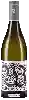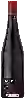
Weingut Egon SchmittVom Quarz Spätburgunder Trocken
 Red wine
In the mouth this red wine is a with a nice freshness.
This wine generally goes well with poultry, beef or veal.

Taste structure of the Vom Quarz Spätburgunder Trocken from the Weingut Egon Schmitt
Light | Bold | |
Smooth | Tannic | |
Dry | Sweet | |
Soft | Acidic |
In the mouth the Vom Quarz Spätburgunder Trocken of Weingut Egon Schmitt in the region of Pfalz is a with a nice freshness.
Food and wine pairings with Vom Quarz Spätburgunder Trocken
Pairings that work perfectly with Vom Quarz Spätburgunder Trocken



Original food and wine pairings with Vom Quarz Spätburgunder Trocken

The Vom Quarz Spätburgunder Trocken of Weingut Egon Schmitt matches generally quite well with dishes of beef, veal or game (deer, venison) such as recipes of beef fashion, veal tagine with prunes or veal head with vinaigrette.
Details and technical informations about Weingut Egon Schmitt's Vom Quarz Spätburgunder Trocken.
Discover the grape variety: Vernaccia
Structured, mineral whites with a pale golden robe, a taut palate with preserved acidity, and signature aromas of almond, white flowers, citrus (lemon), and saline notes. Distinctive Tuscan identity (San Gimignano). The star of Italy's first DOC (1966), promoted to DOCG in 1993. An Italian white variety whose name is shared by several distinct varieties (San Gimignano, Oristano, Serrapetrona).
Informations about the Weingut Egon Schmitt
The Weingut Egon Schmitt is one of of the world's great estates. It offers 82 wines for sale in the of Pfalz to come and discover on site or to buy online.

The wine region of Pfalz
Fleshy, dry, fruity Riesling is the region's signature: yellow peach, apricot, ripe citrus, lovely mineral tension. Germany's largest red-wine area (40%), with silky Spätburgunder showing red fruit and spice, darker structured Dornfelder, supple Portugieser. Some rounded Pinot Blanc and Pinot Gris. A 23,640 ha vineyard along the Haardt, among Germany's warmest (>2,000 h of sun).
The word of the wine: Cooperative cellar
A collective production structure to which winegrowers belong in order to pool their grapes, transform them into wine and ensure its marketing.