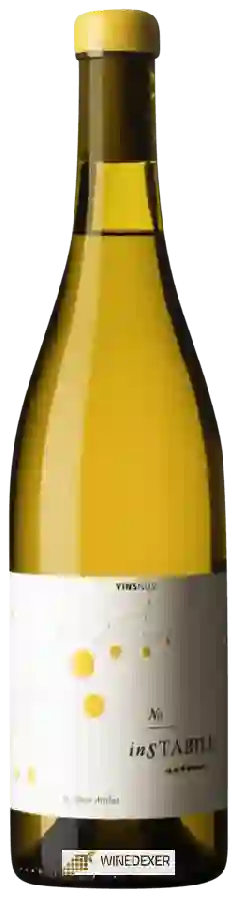
Winery VinsnusNo. 3 InSTabile
 White wine


This wine generally goes well with pork, beef or lamb.

Food and wine pairings with No. 3 InSTabile
Pairings that work perfectly with No. 3 InSTabile



Original food and wine pairings with No. 3 InSTabile



The No. 3 InSTabile of Winery Vinsnus matches generally quite well with dishes of beef, lamb or pork such as recipes of kamounia : tunisian beef stew, 7 o'clock leg of lamb or melt-in-the-mouth pork tenderloin casserole.
Details and technical informations about Winery Vinsnus's No. 3 InSTabile.
Discover the grape variety: Acolon
Colourful, fruity reds with a dark ruby colour, light to firm tannins and a dense palate showing black cherry, blackberry, plum, soft spices and balsamic notes. A modern, early-ripening, productive profile. Grown in Württemberg and the Palatinate for modern German dry reds and blended with Trollinger and Lemberger. A 1971 Weinsberg cross of Lemberger × Dornfelder.
Last vintages of this wine
The best vintages of No. 3 InSTabile from Winery Vinsnus are 0
Informations about the Winery Vinsnus
The Winery Vinsnus is one of of the world's great estates. It offers 16 wines for sale in the of Priorat to come and discover on site or to buy online.

The wine region of Priorat
Mythical Catalan terroir, DOCa (Spain's summit alongside Rioja). Powerful, concentrated reds with signature notes of candied black fruits (blackberry, black cherry), graphite, schist, garrigue, cocoa and liquorice, firm tannins and a mineral palate strung by the "llicorella" (black schist and quartz forcing roots down to 20 m). Old vines of Garnacha (roundness) and Cariñena (Samsó, structure). Exceptional ageing.
The wine region of Catalogne
Cradle of Cava (~95% of Spanish output, traditional method): Macabeo, Xarel-lo, Parellada trilogy, fine fruity bubble. Quality peak in Priorat DOCa: dense, mineral reds on llicorella (schist), old-vine Garnacha and Cariñena with black fruit, garrigue notes, firm tannins. Also Penedès, fleshy Montsant, sunny Empordà, Costers del Segre. Mediterranean.
The word of the wine: Reduction
A physiological and chemical phenomenon that occurs in wine in the absence of oxygen. The smell of reduction is characterized by animal and sometimes fetid notes that disappear in principle with aeration. It is recommended to decant reduced wines.