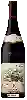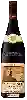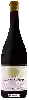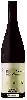
Winery Vincent GasseSaint Joseph
 Red wine
This wine generally goes well with poultry, beef or game (deer, venison).
Food and wine pairings with Saint Joseph
Pairings that work perfectly with Saint Joseph



Original food and wine pairings with Saint Joseph

The Saint Joseph of Winery Vincent Gasse matches generally quite well with dishes of beef, lamb or game (deer, venison) such as recipes of chicken, beef and lamb couscous (morocco), lamb shoulder confit or wild boar leg of 7 hours.
Details and technical informations about Winery Vincent Gasse's Saint Joseph.
Discover the grape variety: Maturana blanca
A very old Spanish grape variety, particularly known in the Rioja region. It can be found in Italy, Portugal, Mexico, etc. In France, it is practically unknown. D.N.A. analyses have shown that it is not related to Maturana Tinta de Navarrete.
Informations about the Winery Vincent Gasse
The Winery Vincent Gasse is one of of the world's greatest estates. It offers 4 wines for sale in the of Saint-Joseph to come and discover on site or to buy online.

The wine region of Saint-Joseph
The wine region of Saint-Joseph is located in the region of Rhône septentrional of Rhone Valley of France. Wineries and vineyards like the Domaine Yves Gangloff or the Domaine E. Guigal produce mainly wines red and white. The most planted grape varieties in the region of Saint-Joseph are Marsanne, Roussanne and Mourvèdre, they are then used in wines in blends or as a single variety.
The wine region of Rhone Valley
The Rhone Valley is a key wine-producing region in Southeastern France. It follows the North-south course of the Rhône for nearly 240 km, from Lyon to the Rhône delta (Bouches-du-Rhône), near the Mediterranean coast. The Length of the valley means that Rhône wines are the product of a wide variety of soil types and mesoclimates. The viticultural areas of the region cover such a distance that there is a widely accepted division between its northern and southern parts.
The word of the wine: Bracket
Black grape variety from Provence which contributes to the personality of the red wines of the AOC Bellet, near Nice. It gives a lightly colored but full-bodied wine that is good with age. Syn.: brachet.