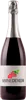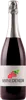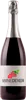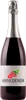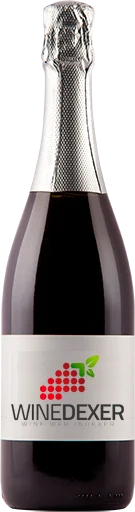
Winery VillaviciosaMon Basart Seco
 Sparkling wine


In the mouth this sparkling wine is a with fine and regular bubbles.
This wine generally goes well with appetizers and snacks, lean fish or shellfish.
The Mon Basart Seco of the Winery Villaviciosa is in the top 60 of wines of Asturies.
Taste structure of the Mon Basart Seco from the Winery Villaviciosa
Light | Bold | |
Soft | Acidic | |
Gentle | Fizzy |
In the mouth the Mon Basart Seco of Winery Villaviciosa in the region of Asturies is a with fine and regular bubbles.
Food and wine pairings with Mon Basart Seco
Pairings that work perfectly with Mon Basart Seco



Original food and wine pairings with Mon Basart Seco

The Mon Basart Seco of Winery Villaviciosa matches generally quite well with dishes of shellfish, appetizers and snacks or lean fish such as recipes of blanquette of monkfish and scallops, tuna rillettes or moqueca de peixe (brazil).
Details and technical informations about Winery Villaviciosa's Mon Basart Seco.
Discover the grape variety: Kernling
Natural mutation of the kerner found in Germany in 1974 by Herrn Ludwig Hochdörffer and put in culture in 1995. Kernling can be found in Germany, Switzerland, England, ... in France it is almost unknown.
Last vintages of this wine
The best vintages of Mon Basart Seco from Winery Villaviciosa are 0
Informations about the Winery Villaviciosa
The Winery Villaviciosa is one of of the world's greatest estates. It offers 6 wines for sale in the of Asturies to come and discover on site or to buy online.

The wine region of Asturies
Asturias is a region in Northern Spain. Although it has never been Particularly focused on wine production, in 2009 the region was granted its first wine appellation, Cangas, suggesting a New interest in viticulture. So far, the wines produced locally are both red and white. They are made from Albillo, Gewurztraminer and Godello (Verdelho), Carrasquin, Syrah and Mencia.
The word of the wine: Wort
Juice before fermentation, still loaded with sugar.