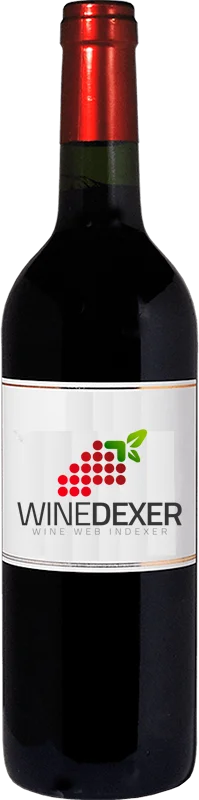
Vignobles Lalande MoreauLe Chevalier Quintard Bordeaux
 Red wine
This wine generally goes well with poultry, beef or veal.

Food and wine pairings with Le Chevalier Quintard Bordeaux
Pairings that work perfectly with Le Chevalier Quintard Bordeaux



Original food and wine pairings with Le Chevalier Quintard Bordeaux

The Le Chevalier Quintard Bordeaux of Vignobles Lalande Moreau matches generally quite well with dishes of beef, veal or game (deer, venison) such as recipes of roast beef in a crust, home-made coq au vin or wild boar stew marinated in red wine.
Details and technical informations about Vignobles Lalande Moreau's Le Chevalier Quintard Bordeaux.
Discover the grape variety: Moscatel Roxo
Intense, opulent fortified sweet wines with an amber colour and coppery highlights, a dense, unctuous palate, showing powerful muscat aromas (rose, fresh grape), exotic fruits (lychee, mango), candied citrus, honey and balsamic notes. Very long finish. Star of Moscatel de Setúbal Roxo, an emblematic fortified sweet wine of southern Portugal. Portuguese grey variety, an aromatic pink-skinned mutation of Muscat à Petits Grains.
Informations about the Vignobles Lalande Moreau
The Vignobles Lalande Moreau is one of wineries to follow in Bordeaux.. It offers 512 wines for sale in the of Bordeaux to come and discover on site or to buy online.

The wine region of Bordeaux
World-renowned age-worthy reds, led by round Merlot (plum, black fruit) or firm Cabernet Sauvignon (blackcurrant, cedar, graphite), blended with Cabernet Franc and Petit Verdot for tannic structure. Structured Médoc and Graves, velvety Saint-Émilion and Pomerol. Also crisp dry whites (Sauvignon/Sémillon) and opulent sweet Sauternes with honey and candied fruit. A 110,000 ha Gironde vineyard, 65 appellations, cradle of the 1855 classified growths.
The word of the wine: Fruity
A wine whose nose is first characterized by aromas reminiscent of the world of fruit. A wine to be drunk young is essentially fruity, but all wines offer this type of aroma in the first place, which can evolve over time, from the scent of fresh fruit to cooked, stewed, candied or brandied fruit.