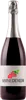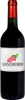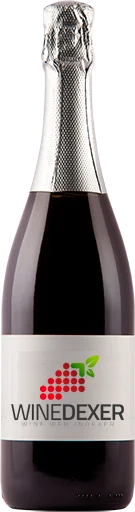
Winery VeladaEspumoso de Moscatel
 Sparkling wine



In the mouth this sparkling wine is a with fine and regular bubbles.
This wine generally goes well with appetizers and snacks, lean fish or shellfish.
Taste structure of the Espumoso de Moscatel from the Winery Velada
Light | Bold | |
Soft | Acidic | |
Gentle | Fizzy |
In the mouth the Espumoso de Moscatel of Winery Velada in the region of Valence is a with fine and regular bubbles.
Food and wine pairings with Espumoso de Moscatel
Pairings that work perfectly with Espumoso de Moscatel



Original food and wine pairings with Espumoso de Moscatel

The Espumoso de Moscatel of Winery Velada matches generally quite well with dishes of shellfish, appetizers and snacks or lean fish such as recipes of scallops, tuna wraps or sliced marinated swordfish cooked a la plancha.
Details and technical informations about Winery Velada's Espumoso de Moscatel.
Discover the grape variety: Aligoté
Aligoté is an ancient Burgundian grape variety (it has different names depending on the region in which it is grown: griset blanc in Beaune, giboudot blanc in the Chalonnais or troyen blanc in the Aube), mainly used in the production of Bourgogne-Aligoté, Bouzeron and Crémant-de-Bourgogne.aligoté is a medium-fine white grape variety, quite productive, which gives clear, acidic, fresh and light white wines. An anecdote often says that it was a member of the clergy named Kir who gave it its letters of nobility by adding it to blackcurrant cream to prepare an aperitif.produced on more than 1,600 hectares in Burgundy, aligoté has also been exported. It is also cultivated in Eastern Europe (Ukraine, Romania), California, Canada and Chile, representing more than 20,000 hectares in the world.
Last vintages of this wine
The best vintages of Espumoso de Moscatel from Winery Velada are 0
Informations about the Winery Velada
The Winery Velada is one of of the world's greatest estates. It offers 14 wines for sale in the of Valence to come and discover on site or to buy online.

The wine region of Valence
Valencia is a province in the centre of Spain's sunny east coast, perhaps better known for its oranges (and paella) than its wine. The administrative Center of Valencia is the city of the same name, the third largest in Spain and the largest port on the Mediterranean. Archaeological evidence suggests that wine making in Valencia dates back more than a thousand years, but the region has never been particularly prominent on the world wine map. In modern times, Valencia's wine production has focused on quantity rather than quality, although this is gradually changing.
The word of the wine: Wine vinegar
Product of acetic fermentation of wine.