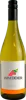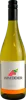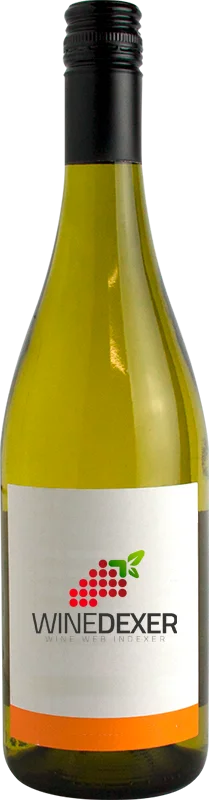
Winery VegamarHuella de Sauvignon Blanc
 White wine


In the mouth this white wine is a with a nice freshness.
This wine generally goes well with vegetarian, shellfish or goat cheese.

Taste structure of the Huella de Sauvignon Blanc from the Winery Vegamar
Light | Bold | |
Dry | Sweet | |
Soft | Acidic |
In the mouth the Huella de Sauvignon Blanc of Winery Vegamar in the region of Valence is a with a nice freshness.
Wine flavors and olphactive analysis


On the nose the Huella de Sauvignon Blanc of Winery Vegamar in the region of Valence often reveals types of flavors of tropical fruit.
Food and wine pairings with Huella de Sauvignon Blanc
Pairings that work perfectly with Huella de Sauvignon Blanc


Original food and wine pairings with Huella de Sauvignon Blanc
The Huella de Sauvignon Blanc of Winery Vegamar matches generally quite well with dishes of shellfish, vegetarian or goat cheese such as recipes of shrimp and cherry tomato quiche, zucchini quiche or delicious pasta gratin.
Details and technical informations about Winery Vegamar's Huella de Sauvignon Blanc.
Discover the grape variety: Gaillard 2
Simple, colourful reds with a pale purple robe, soft tannins and an airy palate, with unassuming red and black fruit aromas. Productive. Marginal today, it survives in a few heritage plots in France and is preserved in varietal collections for its genetic and historical interest. French black hybrid grape obtained in the 20th century, disease-resistant cross.
Last vintages of this wine

The best vintages of Huella de Sauvignon Blanc from Winery Vegamar are 2018, 0, 2019
Informations about the Winery Vegamar
The Winery Vegamar is one of of the world's great estates. It offers 47 wines for sale in the of Valence to come and discover on site or to buy online.

The wine region of Valence
Sunny Mediterranean Levant, sun-drenched accessible wines. Monastrell (Mourvèdre) star red in Alicante: fleshy and deep with black fruits, garrigue, leather and spice, firm tannins. Round, fruity Bobal from Utiel-Requena, supple Garnacha, juicy Tempranillo. Fresh whites: light Merseguera, aromatic Moscatel (fresh grape, flowers).
The word of the wine: Second wine
In the Bordeaux vineyard, the second wine is a lesser-aged wine made from the youngest vines, while the main wine of the château is called the "grand vin".