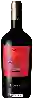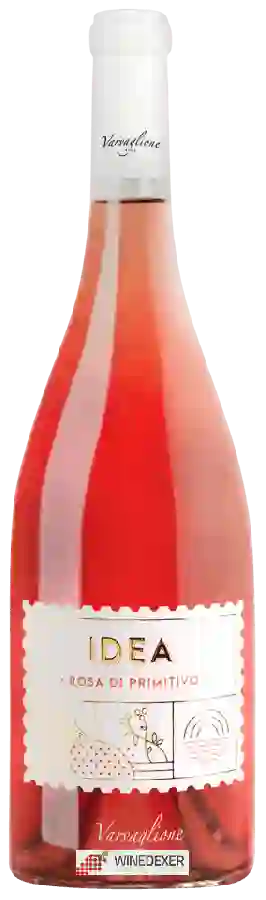
Winery VarvaglioneIdea Rosa di Primitivo
 Pink wine



This wine generally goes well with vegetarian, beef or rich fish (salmon, tuna etc).

Wine flavors and olphactive analysis


On the nose the Idea Rosa di Primitivo of Winery Varvaglione in the region of Veneto often reveals types of flavors of strawberries, red fruit.
Food and wine pairings with Idea Rosa di Primitivo
Pairings that work perfectly with Idea Rosa di Primitivo



Original food and wine pairings with Idea Rosa di Primitivo

The Idea Rosa di Primitivo of Winery Varvaglione matches generally quite well with dishes of beef, lamb or rich fish (salmon, tuna etc) such as recipes of fricandeaux german style, leg of lamb with baked potatoes or tuna and mayonnaise onigiri.
Details and technical informations about Winery Varvaglione's Idea Rosa di Primitivo.
Discover the grape variety: Primitivo
Powerful, sun-drenched reds with a dark robe and generous alcohol, showing aromas of stewed blackberry, stewed plum, dried fig, chocolate, gentle spice and balsamic notes. Supple tannins, indulgent finish. Star of Puglia with Primitivo di Manduria DOC, Gioia del Colle DOC and Salice Salentino. Identical to American Zinfandel and Croatian Crljenak Kaštelanski by DNA analysis.
Last vintages of this wine
The best vintages of Idea Rosa di Primitivo from Winery Varvaglione are 2018
Informations about the Winery Varvaglione
The Winery Varvaglione is one of of the world's great estates. It offers 93 wines for sale in the of Veneto to come and discover on site or to buy online.

The wine region of Veneto
World star of Prosecco: fresh, light Glera sparklers with notes of pear, green apple and white flowers, fruity, convivial bubbles. Veronese reds from Corvina and Rondinella: light, crisp Bardolino, fruity Valpolicella, opulent, concentrated Amarone DOCG (black cherry, chocolate, raisin) from dried grapes. Mineral, almondy Soave (Garganega) whites, fresh Pinot Grigio. 97,500 ha, Italy's largest production.
The word of the wine: Ovoids (tanks)
Egg-shaped vats used for wine making and maturing that favour the natural suspension of the lees thanks to the vortex movements, which give the wine more fat and fruity aromas.