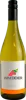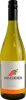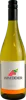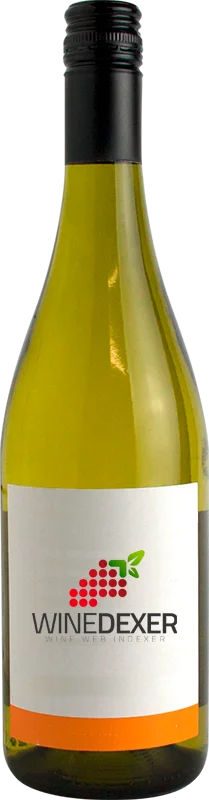
Winery VaranchaSauvignon Blanc Alb Sec
 White wine
This wine generally goes well with vegetarian, rich fish (salmon, tuna etc) or shellfish.
Food and wine pairings with Sauvignon Blanc Alb Sec
Pairings that work perfectly with Sauvignon Blanc Alb Sec



Original food and wine pairings with Sauvignon Blanc Alb Sec
The Sauvignon Blanc Alb Sec of Winery Varancha matches generally quite well with dishes of rich fish (salmon, tuna etc), shellfish or vegetarian such as recipes of skate wings with black butter sauce, sauerkraut of the sea in casserole or magic cake cheese quiche.
Details and technical informations about Winery Varancha's Sauvignon Blanc Alb Sec.
Discover the grape variety: Fogoneu
This grape variety is native to the Balearic Islands (Spain), more precisely to the island of Mayorque, and has been cultivated for a very long time. It is believed to be the result of a natural cross between the escursac or excursach and the mansés (or mancès) de capdell. DNA analyses show that the Fogoneu Mallorqui is not related to any other variety and that the Fogoneu is a direct descendant of the Callet. It can be found in Argentina, Spain and Italy, but is little known in France, although it should be interesting for the production of original rosé wines that are always very pleasant to drink.
Informations about the Winery Varancha
The Winery Varancha is one of of the world's greatest estates. It offers 11 wines for sale in the of Vrancea to come and discover on site or to buy online.

The wine region of Vrancea
The wine region of Vrancea of Romania. Wineries and vineyards like the Domaine Bacanta or the Domaine Sigillum Moldaviae produce mainly wines red, white and pink. The most planted grape varieties in the region of Vrancea are Cabernet-Sauvignon, Feteasca neagra and Merlot, they are then used in wines in blends or as a single variety. On the nose of Vrancea often reveals types of flavors of oaky, smoke or microbio and sometimes also flavors of vegetal, citrus fruit or floral.
The word of the wine: Erinosis
Generally benign condition caused by a very small mite. The infested leaves show blisters on the upper surface, sometimes reddish, sometimes green, to which corresponds on the lower surface a dense felting, first pinkish white, then brownish or reddish.