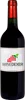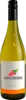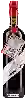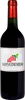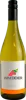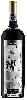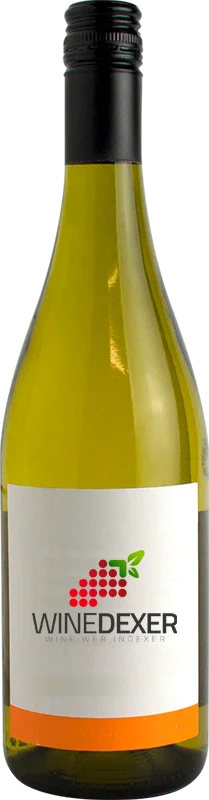
Winery VaranchaFetească Regală Demisec
 White wine



This wine generally goes well with
The Fetească Regală Demisec of the Winery Varancha is in the top 60 of wines of Vrancea.
Details and technical informations about Winery Varancha's Fetească Regală Demisec.
Discover the grape variety: Négret de Banhars
Négret de Banhars noir is a grape variety that originated in France (Aveyron). It produces a variety of grape specially used for the elaboration of wine. It is rare to find this grape to eat on our tables. This variety of grape is characterized by bunches of medium to large size, and grapes of medium to large caliber. Négret de Banhars noir can be found in several vineyards: South-West, Cognac, Bordeaux, Provence & Corsica, Rhone Valley, Loire Valley, Savoie & Bugey, Beaujolais.
Last vintages of this wine
The best vintages of Fetească Regală Demisec from Winery Varancha are 0, 2017
Informations about the Winery Varancha
The Winery Varancha is one of of the world's greatest estates. It offers 11 wines for sale in the of Vrancea to come and discover on site or to buy online.

The wine region of Vrancea
The wine region of Vrancea of Romania. Wineries and vineyards like the Domaine Bacanta or the Domaine Sigillum Moldaviae produce mainly wines red, white and pink. The most planted grape varieties in the region of Vrancea are Cabernet-Sauvignon, Feteasca neagra and Merlot, they are then used in wines in blends or as a single variety. On the nose of Vrancea often reveals types of flavors of oaky, smoke or microbio and sometimes also flavors of vegetal, citrus fruit or floral.
The word of the wine: Over-ripeness
Characteristic of grapes harvested late, rich in sugar, which give wines often mellow and marked by candied aromas.