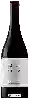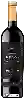
Winery ValdayaCrianza
 Red wine


In the mouth this red wine is a powerful with a nice balance between acidity and tannins.
This wine generally goes well with beef, game (deer, venison) or lamb.
Taste structure of the Crianza from the Winery Valdaya
Light | Bold | |
Smooth | Tannic | |
Dry | Sweet | |
Soft | Acidic |
In the mouth the Crianza of Winery Valdaya in the region of Castille-et-Léon is a powerful with a nice balance between acidity and tannins.
Food and wine pairings with Crianza
Pairings that work perfectly with Crianza



Original food and wine pairings with Crianza
The Crianza of Winery Valdaya matches generally quite well with dishes of beef, lamb or game (deer, venison) such as recipes of lamb skewers, marinated leg of lamb with herbs or rabbit with prunes.
Details and technical informations about Winery Valdaya's Crianza.
Discover the grape variety: Roi des noirs
Interspecific crossing between 29 Seibel (70 jeager x Vitis Vinifera unknown) and the danugue made by Eugène Contassot, who would have given the seeds of the harvested grapes to Albert Seibel (1844-1936). The King of the Blacks has been widely cultivated, particularly in southwestern France and in the center-west, where we have found and photographed it. It was used several times as a sire by Albert Seibel, rubilande or 11803 Seibel is a good example.
Last vintages of this wine
The best vintages of Crianza from Winery Valdaya are 0
Informations about the Winery Valdaya
The Winery Valdaya is one of of the world's greatest estates. It offers 9 wines for sale in the of Castille-et-Léon to come and discover on site or to buy online.

The wine region of Castille-et-Léon
Located in the northern half of the Central Iberian plateau, Castilla y León is the largest of Spain's 17 administrative regions, covering about one-fifth of the country's total area. It extends about 350 kilometres (220 miles) from central Spain to the northern coast. Just as wide, it connects the Rioja wine region to the Portuguese border. Red wines reign supreme in Castilla y León, and the Tempranillo grape is undoubtedly the king.
The word of the wine: Varietal wine
Name given to the local wine (IGP), produced from a single grape variety that gives the wine its characteristics of structure and aroma. The Languedoc is the leading producer of this type of wine, from most of the major French grape varieties.