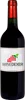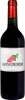
Winery TudorThe Highlands Project Pinot Noir
 Red wine



In the mouth this red wine is a with a nice freshness.
This wine generally goes well with poultry, beef or veal.

Taste structure of the The Highlands Project Pinot Noir from the Winery Tudor
Light | Bold | |
Smooth | Tannic | |
Dry | Sweet | |
Soft | Acidic |
In the mouth the The Highlands Project Pinot Noir of Winery Tudor in the region of California is a with a nice freshness.
Wine flavors and olphactive analysis


On the nose the The Highlands Project Pinot Noir of Winery Tudor in the region of California often reveals types of flavors of red fruit.
Food and wine pairings with The Highlands Project Pinot Noir
Pairings that work perfectly with The Highlands Project Pinot Noir



Original food and wine pairings with The Highlands Project Pinot Noir

The The Highlands Project Pinot Noir of Winery Tudor matches generally quite well with dishes of beef, veal or game (deer, venison) such as recipes of beef stew, chicken breast with curry and mushrooms or cassoulet of yesteryear.
Details and technical informations about Winery Tudor's The Highlands Project Pinot Noir.
Discover the grape variety: Pinot noir
Elegant reds, light in colour with silky tannins, showing strawberry, cherry and raspberry aromas, evolving to forest floor, mushroom and spice with age. Fresh acidity, delicate finish. Star of the Côte d'Or (Romanée-Conti, Chambertin, Volnay), pillar of Champagne (Blanc de Noirs) and signature of Oregon, Central Otago and Sonoma Coast. An early-ripening Burgundian variety, one of the world's greatest.
Last vintages of this wine
The best vintages of The Highlands Project Pinot Noir from Winery Tudor are 2013, 0
Informations about the Winery Tudor
The Winery Tudor is one of of the world's greatest estates. It offers 12 wines for sale in the of Santa Lucia Highlands to come and discover on site or to buy online.

The wine region of Santa Lucia Highlands
Narrow AVA on the western slope of the Salinas Valley in Monterey (1992, ~5,000 ac): signature dominant Pinot Noir as king red (3,400 ac) — refined, taut reds with red fruits, silky and spicy, saline freshness. Chardonnay (2,100 ac) as a lively, mineral king white with notes of citrus and stone fruits. Syrah in warmer sheltered canyons, fleshy and peppery. Daily fogs from Monterey Bay lengthen the season, a premium fresh Burgundian and Rhone identity.
The wine region of California
Powerful, sunny reds: dense Napa Cabernet Sauvignon (blackcurrant, chocolate, tobacco, ample tannins), spicy, jammy Zinfandel from the Sierra Foothills, silky red-fruited Pinot Noir on the cool coast (Sonoma, Russian River, Central Coast). Opulent, buttery Chardonnay, notes of yellow fruit and vanilla. Varied climate, from the hot interior to the Pacific-cooled coast. 80% of US production, 139 AVAs including Napa (1st AVA, 1981).
The word of the wine: Yeast
Micro-organisms at the base of all fermentative processes. A wide variety of yeasts live and thrive naturally in the vineyard, provided that treatments do not destroy them. Unfortunately, their replacement by laboratory-selected yeasts is often the order of the day and contributes to the standardization of the wine. Yeasts are indeed involved in the development of certain aromas.