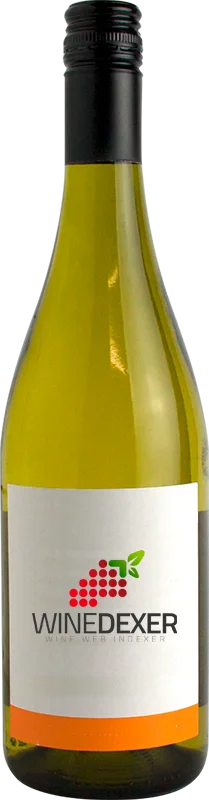
Winery Truda FannyMarcea Sauvignon Blanc
 White wine



This wine generally goes well with vegetarian, rich fish (salmon, tuna etc) or shellfish.
The Marcea Sauvignon Blanc of the Winery Truda Fanny is in the top 20 of wines of Danube.
Wine flavors and olphactive analysis

On the nose the Marcea Sauvignon Blanc of Winery Truda Fanny in the region of Danube often reveals types of flavors of vegetal.
Food and wine pairings with Marcea Sauvignon Blanc
Pairings that work perfectly with Marcea Sauvignon Blanc



Original food and wine pairings with Marcea Sauvignon Blanc
The Marcea Sauvignon Blanc of Winery Truda Fanny matches generally quite well with dishes of rich fish (salmon, tuna etc), shellfish or vegetarian such as recipes of salmon koulibiac, real swiss fondue or quiche lorraine.
Details and technical informations about Winery Truda Fanny's Marcea Sauvignon Blanc.
Discover the grape variety: Clarin
Clarin blanc is a grape variety that originated in France (Languedoc). It produces a variety of grape specially used for wine making. It is rare to find this grape to eat on our tables. Clarin Blanc can be found in many vineyards: South West, Cognac, Bordeaux, Provence & Corsica, Rhone Valley, Loire Valley, Savoie & Bugey, Beaujolais, Languedoc & Roussillon.
Last vintages of this wine
The best vintages of Marcea Sauvignon Blanc from Winery Truda Fanny are 0
Informations about the Winery Truda Fanny
The Winery Truda Fanny is one of of the world's greatest estates. It offers 20 wines for sale in the of Danube to come and discover on site or to buy online.

The wine region of Danube
Romania is located at the geographical crossroads between Central and South-Eastern Europe. The Romanian wine industry uses a wide range of indigenous and international red and white Grape varieties. Both vinifera and American grape species are present here, as well as a number of hybrids. The latter are chosen for their resistance to varying Climates.
The word of the wine: Distinguished
Said of a fine, elegant wine that is outstanding in its category.