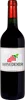
Winery TrivanovićReserve Shiraz
 Red wine



This wine generally goes well with beef, lamb or mature and hard cheese.
The Reserve Shiraz of the Winery Trivanović is in the top 70 of wines of Srem.
Wine flavors and olphactive analysis


On the nose the Reserve Shiraz of Winery Trivanović in the region of Srem often reveals types of flavors of black fruit.
Food and wine pairings with Reserve Shiraz
Pairings that work perfectly with Reserve Shiraz



Original food and wine pairings with Reserve Shiraz

The Reserve Shiraz of Winery Trivanović matches generally quite well with dishes of beef, lamb or spicy food such as recipes of spit-turned boar leg (oven) with "automatic watering"., leg of lamb with spices or mediterranean lamb necklace.
Details and technical informations about Winery Trivanović's Reserve Shiraz.
Discover the grape variety: Rubilande
Rubilande rosé is a grape variety that originated in . This grape variety is the result of a cross between the same species (interspecific hybridization). It produces a variety of grape specially used for wine making. It is rare to find this grape to eat on our tables. Rubilande rosé can be found in the following vineyards: Rhône Valley, Loire Valley, Savoie & Bugey, Beaujolais, Languedoc & Roussillon.
Last vintages of this wine
The best vintages of Reserve Shiraz from Winery Trivanović are 0, 2017
Informations about the Winery Trivanović
The Winery Trivanović is one of of the world's greatest estates. It offers 16 wines for sale in the of Srem to come and discover on site or to buy online.

The wine region of Srem
The wine region of Srem of Serbia. Wineries and vineyards like the Domaine Bjelica or the Domaine Erdevik produce mainly wines white, red and pink. The most planted grape varieties in the region of Srem are Merlot, Cabernet-Sauvignon and Chardonnay, they are then used in wines in blends or as a single variety. On the nose of Srem often reveals types of flavors of apples, blackberry or dried fruit and sometimes also flavors of floral, black fruit or spices.
The word of the wine: Residual sugars
Sugars not transformed into alcohol and naturally present in the wine. The perception of residual sugars is conditioned by the acidity of the wine. The more acidic the wine is, the less sweet it will seem, given the same amount of sugar.