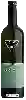
Winery TrincheroBianco
 White wine



In the mouth this white wine is a powerful.
This wine generally goes well with lean fish, shellfish or mature and hard cheese.

Taste structure of the Bianco from the Winery Trinchero
Light | Bold | |
Dry | Sweet | |
Soft | Acidic |
In the mouth the Bianco of Winery Trinchero in the region of Piedmont is a powerful.
Wine flavors and olphactive analysis





On the nose the Bianco of Winery Trinchero in the region of Piedmont often reveals types of flavors of earth, microbio or vegetal and sometimes also flavors of tree fruit, citrus fruit or tropical fruit.
Food and wine pairings with Bianco
Pairings that work perfectly with Bianco



Original food and wine pairings with Bianco


The Bianco of Winery Trinchero matches generally quite well with dishes of pasta, shellfish or mature and hard cheese such as recipes of spaghetti with shrimp and cream, marinated mussels with maroilles or cordon bleu all house.
Details and technical informations about Winery Trinchero's Bianco.
Discover the grape variety: Assyrtiko
Taut and mineral whites with exceptional cutting acidity and a lean palate, on intense aromas of lemon, grapefruit, green apple, white flowers, smoke and strongly marked volcanic saline-iodine notes. Fine ageing potential. The absolute star of Santorini PDO on the volcanic soils of the Cyclades (vines trained in kouloura baskets to protect against wind). Now exported to Australia, California and South Africa. Native Greek variety.
Last vintages of this wine
The best vintages of Bianco from Winery Trinchero are 2017, 2016, 0, 2018 and 2015.
Informations about the Winery Trinchero
The Winery Trinchero is one of of the world's greatest estates. It offers 29 wines for sale in the of Piedmont to come and discover on site or to buy online.

The wine region of Piedmont
Kingdom of Nebbiolo: Barolo and Barbaresco DOCG, long-ageing reds with firm tannins and lively acidity, complex aromas of withered rose, sour cherry, tar, truffle and undergrowth. More accessible, tangy Barbera on red fruit, supple, crisp Dolcetto. Sweet, floral sparkling Moscato d'Asti, mineral, lemony Gavi (Cortese) white, round, almondy Arneis from Roero. 50,000 ha across the Langhe, Roero and Monferrato, UNESCO.
The word of the wine: Sommelier
Person working in a restaurant and responsible for the wine service. The head sommelier is responsible for putting together the wine list, managing the sommelier brigade, and ensuring the sale of wines according to the dishes (food and wine pairing).