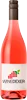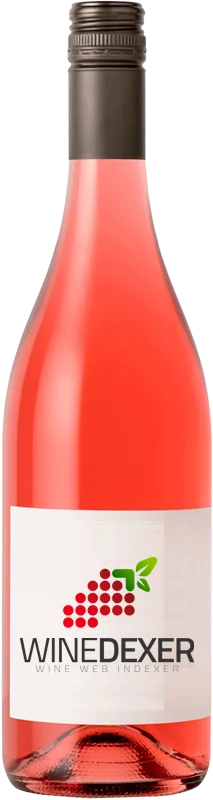
Winery Three MillsPinot Grigio Blush
 Pink wine



This wine generally goes well with poultry, veal or shellfish.

Food and wine pairings with Pinot Grigio Blush
Pairings that work perfectly with Pinot Grigio Blush



Original food and wine pairings with Pinot Grigio Blush
The Pinot Grigio Blush of Winery Three Mills matches generally quite well with dishes of veal, shellfish or poultry such as recipes of piccata with cheese, pike dumplings with shrimp sauce or filet mignon in a quick crust.
Details and technical informations about Winery Three Mills's Pinot Grigio Blush.
Discover the grape variety: Oeillade blanche
Simple, dry whites with a pale golden robe, a supple palate with moderate acidity, and undemonstrative aromas of citrus and white flowers. Discreet southern rustic profile. Almost extinct, preserved in INRAE varietal collections for its heritage value, bearing witness to the pre-phylloxera ampelographic diversity of the southern vineyard. Rare French white grape, formerly grown in Provence and the south-east.
Last vintages of this wine
The best vintages of Pinot Grigio Blush from Winery Three Mills are 0
Informations about the Winery Three Mills
The Winery Three Mills is one of of the world's great estates. It offers 21 wines for sale in the of England to come and discover on site or to buy online.

The wine region of England
Quality renaissance of English wine, signature in traditional-method sparklers. On chalk soils identical to Champagne's (South-East), fine, taut bubbles with signature notes of green apple, lemon, white flowers, brioche and chalk, the vivid acidity of a cool climate. Based on Chardonnay, Pinot Noir and Meunier. Still wines a minority: aromatic Bacchus (elderflower, cut grass — the English identity), fresh Pinot Noir.
The word of the wine: Sulphur
An antiseptic and antioxidant substance known since antiquity, probably already used by the Romans. But it was only in modern times that its use was rediscovered. It will allow a better conservation of the wine and thus favour its export. Sulphur also gave the 18th century winegrower the possibility of extending the maceration period without fearing that the wine would turn sour and thus go from dark rosé wines to the red wines of today. Excessive sulphur, on the other hand, kills happiness, paralysing the aromas and causing headaches.