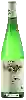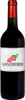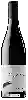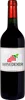
Winery Thomas LorchSpätburgunder Feinherb
 Red wine
In the mouth this red wine is a with a nice freshness.
This wine generally goes well with poultry, beef or veal.

Taste structure of the Spätburgunder Feinherb from the Winery Thomas Lorch
Light | Bold | |
Smooth | Tannic | |
Dry | Sweet | |
Soft | Acidic |
In the mouth the Spätburgunder Feinherb of Winery Thomas Lorch in the region of Mosel is a with a nice freshness.
Food and wine pairings with Spätburgunder Feinherb
Pairings that work perfectly with Spätburgunder Feinherb



Original food and wine pairings with Spätburgunder Feinherb

The Spätburgunder Feinherb of Winery Thomas Lorch matches generally quite well with dishes of beef, veal or game (deer, venison) such as recipes of quick beef and cheese yakitori, calf sweetbread with mushrooms or rabbit in white wine (casserole).
Details and technical informations about Winery Thomas Lorch's Spätburgunder Feinherb.
Discover the grape variety: Savagnin rose
Aromatic, refined whites with a pale golden hue, a broad palate and preserved acidity, featuring musky aromas, rose, white flowers, yellow fruits (peach) and spicy notes. Delicate perfumed profile. Grown in small quantities in Jura and Alsace (Klevener de Heiligenstein), yielding distinctive, original wines for early or extended drinking. Pink-skinned mutation of white Savagnin, the iconic Jura variety.
Informations about the Winery Thomas Lorch
The Winery Thomas Lorch is one of of the world's greatest estates. It offers 11 wines for sale in the of Mosel to come and discover on site or to buy online.

The wine region of Mosel
Kingdom of lively, crystalline Riesling: citrus, green apple, gunflint, tangy tension and signature slate minerality. From light, fruity Kabinett to off-dry Spätlese, up to sweet Auslese and Trockenbeerenauslese of rare finesse. Some supple Müller-Thurgau and lively Elbling. Steeply sloped vineyards (up to 65% at the Bremmer Calmont) on blue and grey slate, 5,400 ha of Riesling (61.
The word of the wine: Acescence
An alteration in wine also known as pitting (hence the expression piqué wine), due to the presence of acetic acid and ethyl acetate, and characterized by a vinegar-like odor.