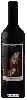
Winery Thomas CoyneMerlot
 Red wine



In the mouth this red wine is a powerful.
This wine generally goes well with beef, veal or lamb.
Taste structure of the Merlot from the Winery Thomas Coyne
Light | Bold | |
Smooth | Tannic | |
Dry | Sweet | |
Soft | Acidic |
In the mouth the Merlot of Winery Thomas Coyne in the region of California is a powerful.
Wine flavors and olphactive analysis

Food and wine pairings with Merlot
Pairings that work perfectly with Merlot



Original food and wine pairings with Merlot
The Merlot of Winery Thomas Coyne matches generally quite well with dishes of beef, lamb or veal such as recipes of lamb skewers, shish kebab or delicious veal stew.
Details and technical informations about Winery Thomas Coyne's Merlot.
Discover the grape variety: Merlot
Merlot noir is a grape variety that originated in France (Bordeaux). It produces a variety of grape specially used for wine making. It is rare to find this grape to eat on our tables. This variety of grape is characterized by small to medium sized bunches, and medium sized grapes. Merlot noir can be found in many vineyards: South West, Languedoc & Roussillon, Cognac, Bordeaux, Loire Valley, Armagnac, Burgundy, Jura, Champagne, Rhone Valley, Beaujolais, Provence & Corsica, Savoie & Bugey.
Last vintages of this wine
The best vintages of Merlot from Winery Thomas Coyne are 0, 2012
Informations about the Winery Thomas Coyne
The Winery Thomas Coyne is one of of the world's greatest estates. It offers 13 wines for sale in the of California to come and discover on site or to buy online.

The wine region of California
California is the largest and most important wine region in the United States. It represents the southern two-thirds (850 miles or 1,370 kilometers) of the country's west coast. (Oregon and Washington make up the rest. ) The state also spans nearly 10 degrees of latitude.
The word of the wine: AOC
Appellation d'origine contrôlée. The most prestigious category of French wines created in the 1930s on the basis of quality criteria defined by a geographical delimitation, a chosen grape variety and precise production rules.