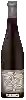
Winery Theo MingesSpätburgunder Kalkmergel Trocken
 Red wine


In the mouth this red wine is a with a nice freshness.
This wine generally goes well with poultry, beef or veal.

Taste structure of the Spätburgunder Kalkmergel Trocken from the Winery Theo Minges
Light | Bold | |
Smooth | Tannic | |
Dry | Sweet | |
Soft | Acidic |
In the mouth the Spätburgunder Kalkmergel Trocken of Winery Theo Minges in the region of Pfalz is a with a nice freshness.
Food and wine pairings with Spätburgunder Kalkmergel Trocken
Pairings that work perfectly with Spätburgunder Kalkmergel Trocken



Original food and wine pairings with Spätburgunder Kalkmergel Trocken

The Spätburgunder Kalkmergel Trocken of Winery Theo Minges matches generally quite well with dishes of beef, veal or game (deer, venison) such as recipes of delicious bourguignon, veal paupiettes with cider or magret with pepper.
Details and technical informations about Winery Theo Minges's Spätburgunder Kalkmergel Trocken.
Discover the grape variety: Neuburger
Rich and structured whites with good ageing potential, golden colour, ample mouth with moderate acidity, with signature aromas of almond, hazelnut, white flowers (acacia) and discreet mineral notes. Subtly vinous profile. Grown mainly in Wachau and Thermenregion. Austrian autochthonous white grape, a spontaneous cross of Roter Veltliner x Silvaner.
Last vintages of this wine
The best vintages of Spätburgunder Kalkmergel Trocken from Winery Theo Minges are 0, 2016
Informations about the Winery Theo Minges
The Winery Theo Minges is one of of the world's great estates. It offers 91 wines for sale in the of Pfalz to come and discover on site or to buy online.

The wine region of Pfalz
Fleshy, dry, fruity Riesling is the region's signature: yellow peach, apricot, ripe citrus, lovely mineral tension. Germany's largest red-wine area (40%), with silky Spätburgunder showing red fruit and spice, darker structured Dornfelder, supple Portugieser. Some rounded Pinot Blanc and Pinot Gris. A 23,640 ha vineyard along the Haardt, among Germany's warmest (>2,000 h of sun).
The word of the wine: Tartar (deposit)
White, chalky deposits that occur as a result of precipitation inside bottles and are often considered by consumers as a defect. They are in fact tartaric salts formed by tartaric acid, potassium and calcium naturally present in the wine. This deposit does not alter the quality of the wine and can be eliminated by a simple decanting.