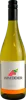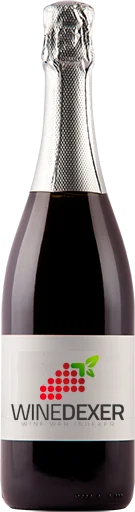
Winery Terre di San RoccoPinot Grigio Extra Dry
 Sparkling wine



This wine generally goes well with poultry, veal or shellfish.
Food and wine pairings with Pinot Grigio Extra Dry
Pairings that work perfectly with Pinot Grigio Extra Dry



Original food and wine pairings with Pinot Grigio Extra Dry
The Pinot Grigio Extra Dry of Winery Terre di San Rocco matches generally quite well with dishes of veal, shellfish or poultry such as recipes of duck breast with red fruits, shrimp with curry express or quick brioche sausage.
Details and technical informations about Winery Terre di San Rocco's Pinot Grigio Extra Dry.
Discover the grape variety: Landal
Landal noir is a grape variety that originated in France. It is a variety resulting from a cross of the same species (interspecific hybridization). It produces a variety of grape specially used for wine making. It is rare to find this grape to eat on our tables. The Landal noir can be found cultivated in these vineyards: Languedoc & Roussillon, Savoie & Bugey, Rhone Valley.
Last vintages of this wine
The best vintages of Pinot Grigio Extra Dry from Winery Terre di San Rocco are 0
Informations about the Winery Terre di San Rocco
The Winery Terre di San Rocco is one of of the world's great estates. It offers 17 wines for sale in the of Veneto to come and discover on site or to buy online.

The wine region of Veneto
Veneto is an important and growing wine region in northeastern Italy. Veneto is administratively Part of the Triveneto area, aLong with its smaller neighbors, Trentino-Alto Adige and Friuli-Venezia Giulia. In terms of geography, culture and wine styles, it represents a transition from the Alpine and Germanic-Slavic end of Italy to the warmer, drier, more Roman lands to the South. Veneto is slightly smaller than the other major Italian wine regions - Piedmont, Tuscany, Lombardy, Puglia and Sicily - but it produces more wine than any of them.
The word of the wine: Second fermentation
In the making of champagne, fermentation of the base wine to which is added the liqueur de tirage and which takes place in the bottle. This second fermentation produces the carbon dioxide, and therefore the bubbles that make up the effervescence of the wine.