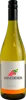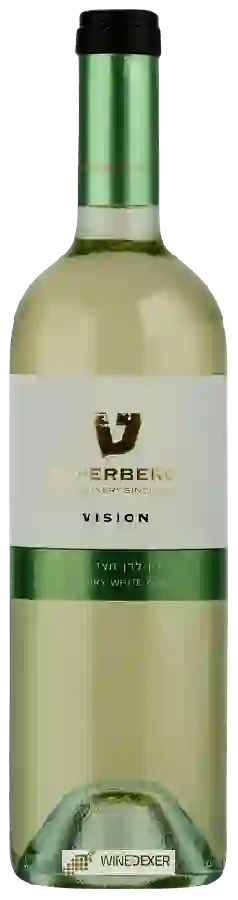
Winery TeperbergVision Semi-Dry
 White wine


This wine is composed of 100% of the grape variety Viognier.
This wine generally goes well with pork, poultry or game (deer, venison).

Wine flavors and olphactive analysis

On the nose the Vision Semi-Dry of Winery Teperberg in the region of Judean Hills often reveals types of flavors of citrus fruit, tropical fruit.
Food and wine pairings with Vision Semi-Dry
Pairings that work perfectly with Vision Semi-Dry



Original food and wine pairings with Vision Semi-Dry



The Vision Semi-Dry of Winery Teperberg matches generally quite well with dishes of pork, game (deer, venison) or shellfish such as recipes of spaghetti squash with cream and bacon, grandma melanie's cassoulet or paella for dummies (simple and delicious).
Details and technical informations about Winery Teperberg's Vision Semi-Dry.
Discover the grape variety: Viognier
Opulent, heady whites, rich and silky, with intense aromas of apricot, yellow peach, mango, violet, honeysuckle and musky, honeyed notes. Discreet acidity, creamy finish. Star of Condrieu AOC and Château-Grillet AOC, co-vinified in Côte-Rôtie with Syrah (up to 20%). Widely exported to California (Central Coast), Australia (Eden Valley) and Languedoc. A Rhône variety.
Last vintages of this wine

The best vintages of Vision Semi-Dry from Winery Teperberg are 2019, 2018, 0
Informations about the Winery Teperberg
The Winery Teperberg is one of of the world's great estates. It offers 85 wines for sale in the of Judean Hills to come and discover on site or to buy online.

The wine region of Judean Hills
Qualitative heart of Israeli wine around Jerusalem, the country's first official AO (2020). Dense, structured reds with signature notes of ripe blackcurrant, blackberry, mint, eucalyptus, Mediterranean herbs and spice, firm tannins and freshness tightened by altitude. Cabernet Sauvignon and Merlot in Bordeaux blends. Also peppery Syrah, dense Petit Verdot.
The word of the wine: Flavours
There are generally four so-called fundamental flavours: acidity, bitterness, sweetness and saltiness. The first three are considered to be the building blocks of the structure of wines. They are perceived by the taste buds that cover the surface of the tongue.