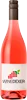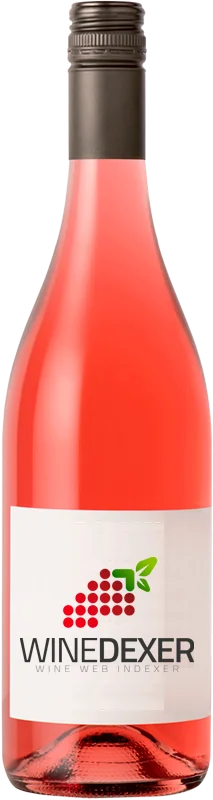
Winery Tenuta San MarcelloPetaloso Rosato
 Pink wine



This wine generally goes well with
Wine flavors and olphactive analysis

On the nose the Petaloso Rosato of Winery Tenuta San Marcello in the region of Marche often reveals types of flavors of red fruit.
Details and technical informations about Winery Tenuta San Marcello's Petaloso Rosato.
Discover the grape variety: Helios
An interspecific cross between Merzling and FR 986-60 (S.V. 12.481 x Müller-Thurgau) obtained in 1973 by Professor Zimmermann and selected by Norbert Becker at the Institute of Viticulture in Freiburg (Germany). Almost unknown in France, it can be found in Germany, Belgium, Luxembourg, etc.
Last vintages of this wine
The best vintages of Petaloso Rosato from Winery Tenuta San Marcello are 2016, 0
Informations about the Winery Tenuta San Marcello
The Winery Tenuta San Marcello is one of of the world's greatest estates. It offers 6 wines for sale in the of Marche to come and discover on site or to buy online.

The wine region of Marche
Marche (or Le Marche; pronounced Mar-kay) is a region in eastern CentralItaly. It is most associated with white wines made from Trebbiano and Verdicchio grapes. Marche occupies a roughly triangular area. Its longer sides are formed by the Apennine Mountains to the west and the Adriatic Sea to the east.
The word of the wine: Net
Said of a frank wine with well-defined characteristics.