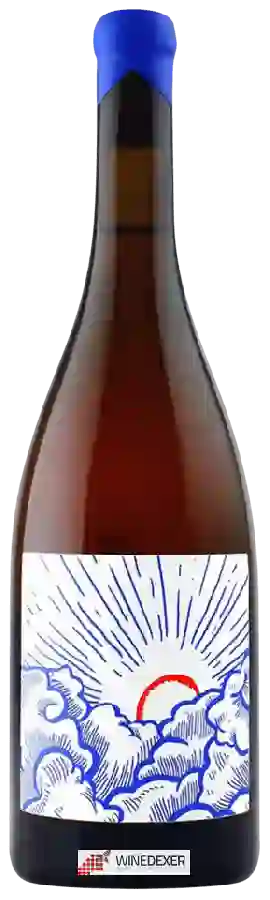
Winery Tenuta ForestoFavonio
 White wine


In the mouth this white wine is a powerful with a nice freshness.
This wine generally goes well with lean fish, shellfish or mature and hard cheese.
The Favonio of the Winery Tenuta Foresto is in the top 90 of wines of Piedmont.

Taste structure of the Favonio from the Winery Tenuta Foresto
Light | Bold | |
Dry | Sweet | |
Soft | Acidic |
In the mouth the Favonio of Winery Tenuta Foresto in the region of Piedmont is a powerful with a nice freshness.
Wine flavors and olphactive analysis


On the nose the Favonio of Winery Tenuta Foresto in the region of Piedmont often reveals types of flavors of earth, microbio or tree fruit and sometimes also flavors of citrus fruit.
Food and wine pairings with Favonio
Pairings that work perfectly with Favonio



Original food and wine pairings with Favonio


The Favonio of Winery Tenuta Foresto matches generally quite well with dishes of pasta, shellfish or mature and hard cheese such as recipes of spaghetti with knackis, creamy tomato squid or ginouflade (kind of truffade or aligot but multi cheese).
Details and technical informations about Winery Tenuta Foresto's Favonio.
Discover the grape variety: Muscat de Hambourg
Aromatic sweet to luscious reds with a garnet ruby colour, an enveloping palate with moderate acidity, and intense muscat signature aromas (rose, fresh grape), candied red fruits and honey. Also a highly prized table grape for its appearance and muscat flavour. Grown in the Mediterranean, Central Asia and California, producing original sweet wines. Aromatic black grape obtained in 1837 in England (Muscat of Alexandria × Schiava grossa).
Last vintages of this wine
The best vintages of Favonio from Winery Tenuta Foresto are 2019, 0
Informations about the Winery Tenuta Foresto
The Winery Tenuta Foresto is one of of the world's greatest estates. It offers 7 wines for sale in the of Piedmont to come and discover on site or to buy online.

The wine region of Piedmont
Kingdom of Nebbiolo: Barolo and Barbaresco DOCG, long-ageing reds with firm tannins and lively acidity, complex aromas of withered rose, sour cherry, tar, truffle and undergrowth. More accessible, tangy Barbera on red fruit, supple, crisp Dolcetto. Sweet, floral sparkling Moscato d'Asti, mineral, lemony Gavi (Cortese) white, round, almondy Arneis from Roero. 50,000 ha across the Langhe, Roero and Monferrato, UNESCO.
The word of the wine: Traditional method
Also known as the Champagne method, this is the elaboration of sparkling wines according to the second fermentation method in the bottle.





