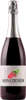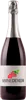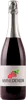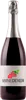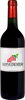
Winery Tempus IIIGran Reserva
 Red wine


In the mouth this red wine is a powerful.
This wine generally goes well with poultry, beef or veal.

Taste structure of the Gran Reserva from the Winery Tempus III
Light | Bold | |
Smooth | Tannic | |
Dry | Sweet | |
Soft | Acidic |
In the mouth the Gran Reserva of Winery Tempus III in the region of Valence is a powerful.
Food and wine pairings with Gran Reserva
Pairings that work perfectly with Gran Reserva



Original food and wine pairings with Gran Reserva

The Gran Reserva of Winery Tempus III matches generally quite well with dishes of beef, pasta or veal such as recipes of roast beef casserole, mami's macaroni and gruyere gratin or cutlets with portuguese sauce.
Details and technical informations about Winery Tempus III's Gran Reserva.
Discover the grape variety: Lledoner pelut
Generous, supple reds with an intense ruby hue, rounded tannins and a broad palate, with solar aromas of ripe red fruits (cherry, raspberry, pomegranate), black fruits, garrigue, soft spices and Mediterranean notes. Full-bodied and warm. Component of Côtes du Roussillon AOC, Côtes du Roussillon Villages AOC and Priorat DOQ blends. Hairy-leaved mutation of grenache noir (lledoner = grenache in Catalan), a Catalan-Roussillon signature.
Last vintages of this wine

The best vintages of Gran Reserva from Winery Tempus III are 2005, 0, 2007
Informations about the Winery Tempus III
The Winery Tempus III is one of of the world's greatest estates. It offers 11 wines for sale in the of Valence to come and discover on site or to buy online.

The wine region of Valence
Sunny Mediterranean Levant, sun-drenched accessible wines. Monastrell (Mourvèdre) star red in Alicante: fleshy and deep with black fruits, garrigue, leather and spice, firm tannins. Round, fruity Bobal from Utiel-Requena, supple Garnacha, juicy Tempranillo. Fresh whites: light Merseguera, aromatic Moscatel (fresh grape, flowers).
The word of the wine: Natural sweet wine
Wine obtained by mutage with wine alcohol of the must in the course of fermentation, from the Muscat, Grenache, Macabeu and Malvoisie grape varieties, and corresponding to strict conditions of production, richness and elaboration.