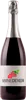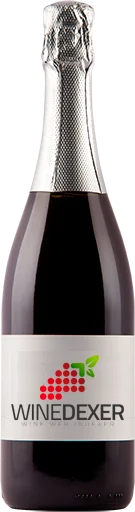
Winery Tenuta Villa TavernagoMalvasia Frizzante
 Sparkling wine



This wine generally goes well with

Details and technical informations about Winery Tenuta Villa Tavernago's Malvasia Frizzante.
Discover the grape variety: Sankt Laurent
Structured and elegant reds with a deep ruby robe, silky tannins and a smooth palate, with signature aromas of red fruits (cherry, sour cherry), black fruits (blackberry), soft spices, undergrowth and balsamic notes. Fine ageing potential, close in profile to Pinot Noir. The star of the great reds of Austria's Burgenland and present in the Czech Republic (Svatovavřinecké). Native Austrian black grape, genetically related to Pinot Noir.
Last vintages of this wine
The best vintages of Malvasia Frizzante from Winery Tenuta Villa Tavernago are 2019, 0
Informations about the Winery Tenuta Villa Tavernago
The Winery Tenuta Villa Tavernago is one of of the world's greatest estates. It offers 20 wines for sale in the of Colli Piacentini to come and discover on site or to buy online.

The wine region of Colli Piacentini
DOC of Emilia-Romagna at the far west (Piacenza), a tradition of red frizzante. Star Gutturnio: a dry or sparkling red blend of Barbera (55-70%, lively cherry-and-plum acidity) + Croatina (black-fruit density and a peppery touch), fresh tannins and a light fizz - the Emilian aperitif with charcuterie. Also Bonarda, firm Cabernet Sauvignon, fine Pinot Noir. Fresh whites: aromatic Malvasia (rose, muscat), Trebbiano, lively native Ortrugo, Sauvignon, Chardonnay.
The wine region of Emilia-Romagna
Kingdom of Lambrusco: fresh, fruity sparkling reds (blackberry, cherry, violet), from gourmet dry to convivial off-dry, perfect with local charcuterie. World's best-selling sparkling wine on the Emilia side (Sorbara, Grasparossa, Salamino). East, Romagna: supple fruity Sangiovese, Albana (Italy's 1st white DOCG, 1987) ample and almondy. Also red Gutturnio and white Pignoletto.
The word of the wine: Oenologist
Specialist in wine-making techniques. It is a profession and not a passion: one can be an oenophile without being an oenologist (and the opposite too!). Formerly attached to the Faculty of Pharmacy, oenology studies have become independent and have their own university course. Learning to make wine requires a good chemical background but also, increasingly, a good knowledge of the plant. Some oenologists work in laboratories (analysis). Others, the consulting oenologists, work directly in the properties.