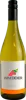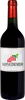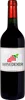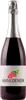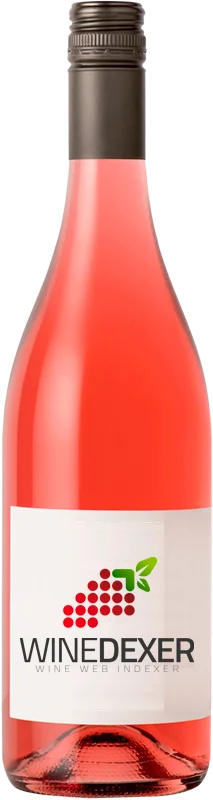
Winery Tarjányi PinceRubin Rosé
 Pink wine
This wine generally goes well with beef, lamb or mature and hard cheese.
Food and wine pairings with Rubin Rosé
Pairings that work perfectly with Rubin Rosé



Original food and wine pairings with Rubin Rosé

The Rubin Rosé of Winery Tarjányi Pince matches generally quite well with dishes of beef, lamb or spicy food such as recipes of stuffed beef rolls, sri lankan lamb rolls (mutton rolls) or vegetarian paella.
Details and technical informations about Winery Tarjányi Pince's Rubin Rosé.
Discover the grape variety: Chichaud
It is most certainly from the Ardèche, and is not found anywhere else. It has long been confused with the cinsaut called boudalès in this region, which explains why it has the synonym tsintsao. It is said to be related to the white humagne. Today, Chichaud is on the verge of extinction, although it is registered in the Official Catalogue of wine grape varieties, list A1.
Informations about the Winery Tarjányi Pince
The Winery Tarjányi Pince is one of of the world's great estates. It offers 32 wines for sale in the of Eger to come and discover on site or to buy online.

The wine region of Eger
Eger, in northeastern Hungary, is a wine region best known for its Egri Bikavér wine, popularly known as "Bull's Blood". Although Sweet, white Tokaji remains unrivaled as Hungary's most famous wine overall, Bikavér (Bull's Blood) is surely the country's most famous red. The style – a Complex blend of several dark-skinned grapes – was first made in the late 19th Century, in Szekszard (200 kilometers/130 miles southwest of Eger). It rose to international fame in the 1970s, when the state-owned Egervin winery monopolized production of the style, and successfully promoted it on export markets.
The word of the wine: Maturing (champagne)
After riddling, the bottles are stored on "point", upside down, with the neck of one bottle in the bottom of the other. The duration of this maturation is very important: in contact with the dead yeasts, the wine takes on subtle aromas and gains in roundness and fatness. A brut without year must remain at least 15 months in the cellar after bottling, a vintage 36 months.