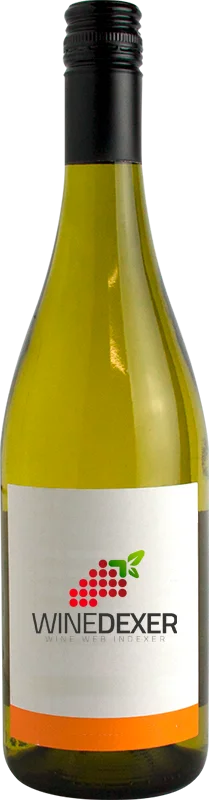
Winery Szászi BirtokLiliomfi Olaszrizling
 White wine
This wine generally goes well with vegetarian, poultry or mature and hard cheese.

Food and wine pairings with Liliomfi Olaszrizling
Pairings that work perfectly with Liliomfi Olaszrizling



Original food and wine pairings with Liliomfi Olaszrizling
The Liliomfi Olaszrizling of Winery Szászi Birtok matches generally quite well with dishes of mature and hard cheese, vegetarian or poultry such as recipes of saint nectaire cheese spread with local ham, quiche with leeks and fresh salmon from flo or cream chicken with mushrooms.
Details and technical informations about Winery Szászi Birtok's Liliomfi Olaszrizling.
Discover the grape variety: Abondance
Simple, fresh dry whites with a pale golden robe, a supple palate and moderate acidity. Understated aromas of citrus and alpine white flowers. Rustic, productive profile. Preserved for its heritage value in varietal conservatories, it no longer contributes to commercial production. Not to be confused with the Abondant. An ancient native white grape from Savoy, once grown in Savoy and the Isère valley, now nearly extinct.
Informations about the Winery Szászi Birtok
The Winery Szászi Birtok is one of of the world's great estates. It offers 44 wines for sale in the of Badacsony to come and discover on site or to buy online.

The wine region of Badacsony
Emblematic zone of Hungarian Balaton, north shore on extinct volcanoes with unique basalt soils. Signature structured mineral whites: basalt releases potassium and magnesium, conferring striking minerality and salinity. Rare reborn native Kéknyelű with signature notes of lemon, white apple, fresh herbs and a smoky mineral touch. Olaszrizling (most planted) fresh, Szürkebarát (Pinot Gris) ample, taut Furmint.
The wine region of Balaton
Hungarian region around the largest lake in Central Europe, 6 zones including volcanic Badacsony. Signature Olaszrizling (Welschriesling), Hungary's most planted grape: lively, mineral whites with signature notes of almond, citrus, green apple, white flowers and a herbaceous touch, a crisp finish - a typical thirst-quenching wine. Also round Szürkebarát (Pinot Gris), ample Chardonnay, rare native Kéknyelű. Basalt in the north, lakeside climate.
The word of the wine: Tears
Traces left by the wine on the sides of the glass when it is shaken or tilted.