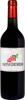
Winery Supply RoyerLa Syrah de Pey Cherres
 Red wine


In the mouth this red wine is a powerful with a nice balance between acidity and tannins.
This wine generally goes well with beef, veal or pasta.

Taste structure of the La Syrah de Pey Cherres from the Winery Supply Royer
Light | Bold | |
Smooth | Tannic | |
Dry | Sweet | |
Soft | Acidic |
In the mouth the La Syrah de Pey Cherres of Winery Supply Royer in the region of Pays d'Oc is a powerful with a nice balance between acidity and tannins.
Food and wine pairings with La Syrah de Pey Cherres
Pairings that work perfectly with La Syrah de Pey Cherres



Original food and wine pairings with La Syrah de Pey Cherres
The La Syrah de Pey Cherres of Winery Supply Royer matches generally quite well with dishes of beef, pasta or veal such as recipes of german recipe for marinated meat: sauerbraten, generous flaky quiche or normandy style escalope.
Details and technical informations about Winery Supply Royer's La Syrah de Pey Cherres.
Discover the grape variety: Muscat à petits grains
Intensely aromatic whites, dry to sweet, with a luminous golden robe and an enveloping palate, with explosive muscat aromas (rose, fresh grape), white flowers, exotic fruits and honey on VDN. Also as sweet sparkling (Asti Spumante DOCG). Star of Muscat VDN from Roussillon, Beaumes-de-Venise and Frontignan. Historic white variety, one of the oldest in the world, from the eastern Mediterranean.
Informations about the Winery Supply Royer
The Winery Supply Royer is one of of the world's greatest estates. It offers 15 wines for sale in the of Pays d'Oc to come and discover on site or to buy online.

The wine region of Pays d'Oc
The single-grape IGP par excellence: modern, accessible, frank and fruity wines, the popular signature of the Midi. Spicy Syrah reds (pepper, blackberry), round Merlot, structured Cabernet, generous Grenache, supple Cinsault. Crisp, tangy rosés. Opulent Chardonnay whites, lively Sauvignon, floral, apricoty Viognier.
The word of the wine: Mouth
The mouth is the third stage of wine tasting after the eye and nose. In the mouth, the taster identifies the aromas through the retronasal route, the flavours and the texture. It is in the mouth that the overall balance of the wine is apprehended.