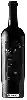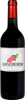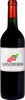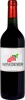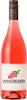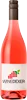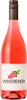
Cave St-PierreChanteperdrix Oeil-de-Perdrix
 Pink wine


This wine generally goes well with pork, poultry or veal.



Food and wine pairings with Chanteperdrix Oeil-de-Perdrix
Pairings that work perfectly with Chanteperdrix Oeil-de-Perdrix



Original food and wine pairings with Chanteperdrix Oeil-de-Perdrix


The Chanteperdrix Oeil-de-Perdrix of Cave St-Pierre matches generally quite well with dishes of veal, pork or game (deer, venison) such as recipes of roast veal with cider, english breakfast or rabbit with goat cheese and mint.
Details and technical informations about Cave St-Pierre's Chanteperdrix Oeil-de-Perdrix.
Discover the grape variety: Pinot noir
Elegant reds, light in colour with silky tannins, showing strawberry, cherry and raspberry aromas, evolving to forest floor, mushroom and spice with age. Fresh acidity, delicate finish. Star of the Côte d'Or (Romanée-Conti, Chambertin, Volnay), pillar of Champagne (Blanc de Noirs) and signature of Oregon, Central Otago and Sonoma Coast. An early-ripening Burgundian variety, one of the world's greatest.
Last vintages of this wine
The best vintages of Chanteperdrix Oeil-de-Perdrix from Cave St-Pierre are 0
Informations about the Cave St-Pierre
The Cave St-Pierre is one of of the world's great estates. It offers 55 wines for sale in the of Valais to come and discover on site or to buy online.

The wine region of Valais
Switzerland's largest vineyard, capital of native grapes. Straight, precise alpine whites: light, floral Chasselas (Fendant), signature Petite Arvine with saline, grapefruit and rhubarb notes, rich, apricoty Amigne, mineral Humagne Blanche. Altitude reds: fine Pinot Noir, crisp Gamay, native Cornalin and Humagne Rouge, spicy and deep. Highly precise alpine age-worthy wines.
The word of the wine: Oenologist
Specialist in wine-making techniques. It is a profession and not a passion: one can be an oenophile without being an oenologist (and the opposite too!). Formerly attached to the Faculty of Pharmacy, oenology studies have become independent and have their own university course. Learning to make wine requires a good chemical background but also, increasingly, a good knowledge of the plant. Some oenologists work in laboratories (analysis). Others, the consulting oenologists, work directly in the properties.