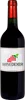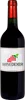
Winery St. AntonyAlte Reben Blaufränkisch
 Red wine


This wine generally goes well with pork, rich fish (salmon, tuna etc) or mature and hard cheese.
Wine flavors and olphactive analysis

Food and wine pairings with Alte Reben Blaufränkisch
Pairings that work perfectly with Alte Reben Blaufränkisch



Original food and wine pairings with Alte Reben Blaufränkisch
The Alte Reben Blaufränkisch of Winery St. Antony matches generally quite well with dishes of pork, rich fish (salmon, tuna etc) or mature and hard cheese such as recipes of coconut from paimpol, smoked salmon sandwich or savoyard fondue (but succulent).
Details and technical informations about Winery St. Antony's Alte Reben Blaufränkisch.
Discover the grape variety: Callet
This grape variety is native to the Balearic Islands (Spain), more precisely to the island of Mayorque, and has been cultivated for a very long time. It is said to be the result of a natural cross between the Callet Cas Concos (Negrella) and the Fogoneu, the former being in danger of extinction. Callet is hardly known in other wine-producing countries, but in France it should be interesting for the production of original rosé wines that are pleasant to drink.
Last vintages of this wine
The best vintages of Alte Reben Blaufränkisch from Winery St. Antony are 2016, 0
Informations about the Winery St. Antony
The Winery St. Antony is one of of the world's great estates. It offers 57 wines for sale in the of Rheinhessen to come and discover on site or to buy online.

The wine region of Rheinhessen
Rheinhessen is Germany's largest region for producing the quality wines of the Qualitätswein bestimmter Anbaugebiete (QbA) and Prädikatswein designations, with roughly 26,500 hectares (65,000 acres) of Vineyard">Vineyards as of 2014. Many of its most significant viticultural areas are favorably influenced by the Rhine river, which runs aLong its North and eastern borders. The Rhine, along with the Nahe river to the west and the Haardt mountains to its South, form a natural border. Rheinhessen covers an area south of Rheingau, north of Pfalz and east of Nahe, and is located within the Rhineland-Palatinate federal state.
The word of the wine: Press (wine)
In red winemaking, wine made from the marcs by pressing after devatting. See goutte (wine of).