The Winery Slobodné Vinárstvo of Slovakia
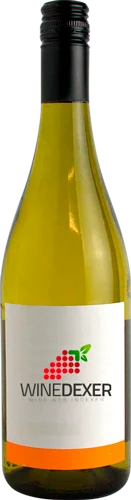
The Winery Slobodné Vinárstvo is one of the largest wineries in the world. It offers 26 wines for sale in of Slovakia to come and discover on site or to buy online.
Looking for the best Winery Slobodné Vinárstvo wines in Slovakia among all the wines in the region? Check out our tops of the best red, white or effervescent Winery Slobodné Vinárstvo wines. Also find some food and wine pairings that may be suitable with the wines from this area. Learn more about the region and the Winery Slobodné Vinárstvo wines with technical and enological descriptions.
How Winery Slobodné Vinárstvo wines pair with each other generally quite well with dishes of rich fish (salmon, tuna etc), shellfish or mature and hard cheese such as recipes of italian tabbouleh, sautéed squid with parsley or franc-comtoise.
On the nose the white wine of Winery Slobodné Vinárstvo. often reveals types of flavors of pineapple, apricot or stone and sometimes also flavors of orange, hay or honey.
Slovakia (officially The Slovak Republic) is a landlocked country described as being either at the eastern edge of Western Europe, or the western edge of Eastern Europe. This dichotomy reflects the state's recent history, a story of political unrest common in this region. The lands that are now Slovakia were an integral Part of Hungary for almost 900 years, but became independent when the Austro-Hungarian Empire was dismantled after the First World War. Almost immediately, Slovakia aligned itself with Bohemia and Moravia (the modern-day Czech Republic), Silesia and Carpathian Ruthenia to form Czechoslovakia.
This union lasted until the Velvet Revolution in 1989. Since 1993, the Slovak and Czech republics have remained cordially independent.
Since the dissolution of the Eastern Bloc and Slovakia's subsequent separation from its western neighbor the Czech Republic, Slovakia has embraced its European status. It joined both the European Union and Nato in 2004, the Schengen Area in 2007 and the Eurozone in 2009.
It is now among the fastest-developing economies in the OECD, and its once-failing wine industry has shown signs of recovery. Although early attempts to privatize the industry were unsuccessful, New wine laws and the continued growth in wine consumption worldwide have sparked the nation's wine producers into life. The majority of Slovakian wine is still sold domestically or to neighboring Poland and Ukraine, but there are a small number of producers ready, willing and able to develop international export markets.
Slovakian wine comes mostly from the vineyards clustered around Bratislava and scattered eastwards along the border with Hungary.
How Winery Slobodné Vinárstvo wines pair with each other generally quite well with dishes of beef, lamb or spicy food such as recipes of monkfish tagine, lamb curry with coconut milk or garlic shrimp.
On the nose the red wine of Winery Slobodné Vinárstvo. often reveals types of flavors of strawberries, red fruit or non oak and sometimes also flavors of earth, oak or spices.
How Winery Slobodné Vinárstvo wines pair with each other generally quite well with dishes of rich fish (salmon, tuna etc), shellfish or beef such as recipes of fresh tuna with sesame seeds, scupion (small cuttlefish) in hot sauce or monkfish tail with white butter.
On the nose the pink wine of Winery Slobodné Vinárstvo. often reveals types of flavors of citrus, tangerine or asparagus and sometimes also flavors of orange, non oak or vegetal.
This is the name given to the vineyards of the Aube, which are closer to Burgundy, and some of the wines produced here bear witness to this proximity. The pinot noir dominates, the meunier is practically absent. Two crus have become references: Riceys, where a rosé without bubbles is also produced, and Montgueux near Troyes, renowned for its Chardonnay.
Planning a wine route in the of Slovakia? Here are the wineries to visit and the winemakers to meet during your trip in search of wines similar to Winery Slobodné Vinárstvo.
Pinot Gris is a grey grape variety mutated from Pinot Noir. It has its origins in Burgundy, where it is called pinot-beurot in reference to the colour of the grey robes worn by the monks of the region. Established in Alsace since the 17th century, pinot gris was called tokay until 2007. It is made up of bunches of small berries that vary in colour from pink to blue-grey. It is particularly well suited to the continental climate because it is resistant to the cold in winter and to spring frosts. This variety also likes dry limestone soils with plenty of sunshine in the summer. Pinot Gris is well suited to late harvesting or to the selection of noble grapes, depending on the year and the concentration of sugars in the berries. Pinot Gris wines are distinguished by their aromatic complexity of white fruits, mushrooms, honey, vanilla, cinnamon, etc., and their great finesse. In the Loire Valley, pinot gris is used in the Coteaux-d'Ancenis appellations. It gives dry or sweet wines with pear and peach aromas.