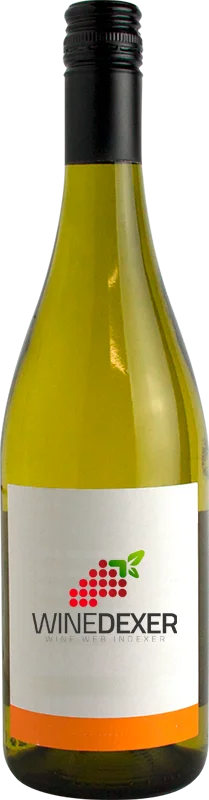
Winery SimonsvleiVilla Cape Reserve Gewürtztraminer
 White wine



This wine generally goes well with poultry, rich fish (salmon, tuna etc) or mild and soft cheese.

Food and wine pairings with Villa Cape Reserve Gewürtztraminer
Pairings that work perfectly with Villa Cape Reserve Gewürtztraminer



Original food and wine pairings with Villa Cape Reserve Gewürtztraminer


The Villa Cape Reserve Gewürtztraminer of Winery Simonsvlei matches generally quite well with dishes of rich fish (salmon, tuna etc), spicy food or sweet desserts such as recipes of salmon pavés en papillote, yassa chicken (senegal) or gaufress and light.
Details and technical informations about Winery Simonsvlei's Villa Cape Reserve Gewürtztraminer.
Discover the grape variety: Gewurztraminer
Full-bodied, exotic whites, rich and heady, with moderate acidity, showing opulent aromas of lychee, rose, mango, ginger, pink grapefruit and gentle spice. Made as aromatic dry, moelleux late-harvest and liquorous sélection de grains nobles. Star of Alsace AOC (one of the four noble varieties) and signature of Alto Adige (Tramin), Palatinate and Germany. A pink mutation of Traminer.
Last vintages of this wine
The best vintages of Villa Cape Reserve Gewürtztraminer from Winery Simonsvlei are 0, 2018
Informations about the Winery Simonsvlei
The Winery Simonsvlei is one of of the world's great estates. It offers 84 wines for sale in the of Western Cape to come and discover on site or to buy online.

The wine region of Western Cape
Cradle of South African wine. Signature Chenin Blanc (Steen, 20%) in ample, fresh whites with notes of quince, yellow apple, honey and acacia flower, from crisp dry to sweet. Sharp, iodised Sauvignon Blanc (Walker Bay, Constantia), balanced Chardonnay. Reds: emblematic Pinotage with roasted aromas (coffee, plum, smoke), firm Cabernet Sauvignon, spicy Syrah.
The word of the wine: Reassembly
During the vinification process, a "cap" is formed at the top of the vats with the solid parts (skin, pulp, pips, etc.), which contain tannins and colouring elements. Pumping over consists of emptying the vat from the bottom and pouring the juice back to the top, in order to mix the cap and the juice and to favour the exchange and the extraction. This old technique allows a better exchange between the solid parts and the liquid.