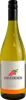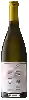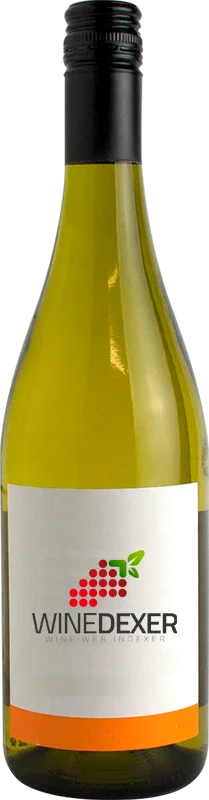
Winery SimonsvleiChenin Blanc
 White wine



In the mouth this white wine is a with a nice freshness.
This wine generally goes well with lean fish, shellfish or mild and soft cheese.

Taste structure of the Chenin Blanc from the Winery Simonsvlei
Light | Bold | |
Dry | Sweet | |
Soft | Acidic |
In the mouth the Chenin Blanc of Winery Simonsvlei in the region of Western Cape is a with a nice freshness.
Food and wine pairings with Chenin Blanc
Pairings that work perfectly with Chenin Blanc



Original food and wine pairings with Chenin Blanc

The Chenin Blanc of Winery Simonsvlei matches generally quite well with dishes of shellfish, spicy food or lean fish such as recipes of zarzuela mayonapo, chicken colombo or back of cod, beurre blanc with tarragon.
Details and technical informations about Winery Simonsvlei's Chenin Blanc.
Discover the grape variety: Chenin blanc
Chameleon whites with taut acidity, ranging from mineral dry (Savennières, Vouvray sec) to off-dry and medium-sweet (Vouvray, Montlouis), sumptuous botrytised sweet (Quarts-de-Chaume, Bonnezeaux, Coteaux du Layon) and brilliant sparkling (Crémant de Loire, Vouvray brut). Aromas of quince, apple, honey, white flowers, beeswax and flint. An Anjou variety, also star of South Africa's Western Cape.
Last vintages of this wine
The best vintages of Chenin Blanc from Winery Simonsvlei are 2018
Informations about the Winery Simonsvlei
The Winery Simonsvlei is one of of the world's great estates. It offers 84 wines for sale in the of Western Cape to come and discover on site or to buy online.

The wine region of Western Cape
Cradle of South African wine. Signature Chenin Blanc (Steen, 20%) in ample, fresh whites with notes of quince, yellow apple, honey and acacia flower, from crisp dry to sweet. Sharp, iodised Sauvignon Blanc (Walker Bay, Constantia), balanced Chardonnay. Reds: emblematic Pinotage with roasted aromas (coffee, plum, smoke), firm Cabernet Sauvignon, spicy Syrah.
The word of the wine: Density per hectare
Number of vines per hectare. For the same yield, a vine planted with 3,000 vines per hectare bears many more bunches (per vine) than a vine planted with 10,000. The grapes will therefore be less rich in sugar and polyphenols (tannins, aromas...).