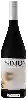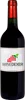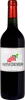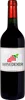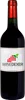
Winery SimonSyrah
 Red wine



This wine generally goes well with beef, lamb or mature and hard cheese.

Wine flavors and olphactive analysis


On the nose the Syrah of Winery Simon in the region of Eger often reveals types of flavors of non oak, oak or spices and sometimes also flavors of red fruit, black fruit.
Food and wine pairings with Syrah
Pairings that work perfectly with Syrah



Original food and wine pairings with Syrah

The Syrah of Winery Simon matches generally quite well with dishes of beef, lamb or spicy food such as recipes of fricandeaux german style, saddle of lamb with herbs or phad thai (thai style fried noodles).
Details and technical informations about Winery Simon's Syrah.
Discover the grape variety: Deckrot
Deeply coloured reds with an intense purple robe, moderate tannins and a full palate, showing simple aromas of black fruits (blackcurrant, blackberry) and inky notes. Teinturier profile. Used primarily in blending to boost colour in light reds, grown on a few hectares in Germany. German hybrid teinturier variety obtained in 1953 at Geilweilerhof (Grauburgunder × Färbertraube), with its characteristic coloured flesh.
Last vintages of this wine
The best vintages of Syrah from Winery Simon are 2013, 0, 2012
Informations about the Winery Simon
The Winery Simon is one of of the world's greatest estates. It offers 25 wines for sale in the of Eger to come and discover on site or to buy online.

The wine region of Eger
Emblematic Hungarian region in the north, home of the legendary Egri Bikavér ("Bull's Blood"). A blend of fleshy, spicy reds with signature notes of black cherry, ripe plum, paprika, sweet spices and tobacco, round tannins. Mandatory base of Kékfrankos (Blaufränkisch), blended with fruity Kadarka, peppery Cabernet Franc and supple Merlot. Also Egri Csillag in white ("Star of Eger"), fresh and aromatic.
The word of the wine: Deposit
Solid particles that can naturally coat the bottom of a bottle of wine. It is rather a guarantee that the wine has not been mistreated: in fact, to avoid the natural deposit, rather violent processes of filtration or cold passage (- 7 or - 8 °C) are used in order to precipitate the tartar (the small white crystals that some people confuse with crystallized sugar: just taste to dissuade you from it)