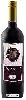
Winery Schola SarmentiTempo Al Vino Negroamaro
 Red wine



This wine generally goes well with

Wine flavors and olphactive analysis



On the nose the Tempo Al Vino Negroamaro of Winery Schola Sarmenti in the region of Puglia often reveals types of flavors of oak, spices or red fruit and sometimes also flavors of black fruit.
Details and technical informations about Winery Schola Sarmenti's Tempo Al Vino Negroamaro.
Discover the grape variety: Malvasia di Casorzo
Sweet sparkling reds with a light ruby robe and rosy foam, smooth tannins and a sparkling, mellow palate, showing signature aromas of rose, violet, red fruits (strawberry, cherry) and intense floral notes. Also as passito. Star of the Malvasia di Casorzo DOC appellation, producing festive frizzante and passito wines from Piedmont. Black Malvasia variety grown near Casorzo in Piedmont.
Last vintages of this wine
The best vintages of Tempo Al Vino Negroamaro from Winery Schola Sarmenti are 2018, 2017, 2016, 0 and 2015.
Informations about the Winery Schola Sarmenti
The Winery Schola Sarmenti is one of of the world's great estates. It offers 35 wines for sale in the of Salento to come and discover on site or to buy online.

The wine region of Salento
Heel of the Italian boot, sunny and generous vineyard. Fleshy reds: signature Negroamaro ("black-bitter") deep and sturdy, notes of black cherry, plum, spices and a characteristic bitter finish, star in Salice Salentino DOC. Opulent jammy Primitivo di Manduria (= Zinfandel) with notes of black fruits, chocolate and raisin. Supple Malvasia Nera.
The wine region of Puglia
Heel of the boot, 80% red vineyard, sunny and generous. Fleshy, jammy Primitivo (= Zinfandel) with notes of black cherry, plum, chocolate and spices, powerful alcohol and melted tannins, a star in Primitivo di Manduria. Deep, structured Negroamaro (black-bitter) with a bitter finish in Salice Salentino. Structured Nero di Troia, spicy Susumaniello.
The word of the wine: Bâtonnage
A very old technique that has come back into fashion in modern oenology, which consists of shaking the white wine in the barrels at the end of fermentation, or after fermentation, with a stick or a flail, in order to suspend the fine lees composed of yeasts at the end of their activity. This process is sometimes used for red wines.