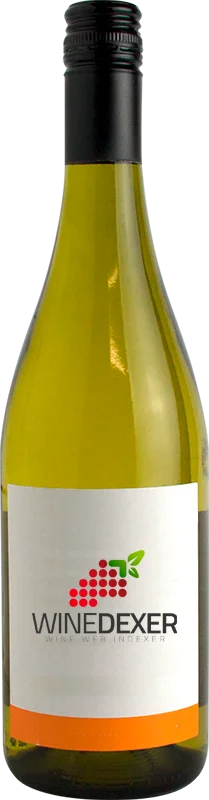
Winery Schmit-FohlWormer Koeppchen Riesling
 White wine


This wine generally goes well with pork, vegetarian or poultry.

Food and wine pairings with Wormer Koeppchen Riesling
Pairings that work perfectly with Wormer Koeppchen Riesling



Original food and wine pairings with Wormer Koeppchen Riesling



The Wormer Koeppchen Riesling of Winery Schmit-Fohl matches generally quite well with dishes of pork, rich fish (salmon, tuna etc) or spicy food such as recipes of stuffed round zucchini, salt crusted sea bass or thai basil chicken.
Details and technical informations about Winery Schmit-Fohl's Wormer Koeppchen Riesling.
Discover the grape variety: Riesling
Crystalline, taut whites with vibrant acidity and aromas of citrus, green apple, white flowers, vineyard peach and mineral/petrol notes with age. Made as dry (Trocken, Alsace), off-dry (Kabinett, Spätlese) and sweet (Auslese, Beerenauslese, Trockenbeerenauslese, late harvest). Star of the Moselle, Rheingau, Alsace AOC and Wachau. Also exported to Clare Valley and Finger Lakes.
Last vintages of this wine
The best vintages of Wormer Koeppchen Riesling from Winery Schmit-Fohl are 2018, 0
Informations about the Winery Schmit-Fohl
The Winery Schmit-Fohl is one of of the world's greatest estates. It offers 23 wines for sale in the of Moselle to come and discover on site or to buy online.

The wine region of Moselle
World benchmark for cool-climate German Riesling, on vertiginous blue and grey slate slopes. Pure, precise whites with signature notes of lime, green apple, white peach, white flowers and marked chalky minerality ("gunflint"), low alcohol (~8-10%), taut acidity and crystalline tension. From dry Kabinett to sweet Auslese, up to luscious Beerenauslese, Trockenbeerenauslese and Eiswein. Also Müller-Thurgau and Elbling.
The word of the wine: Paste
Characteristic of a thick and heavy wine with sticky tannins.