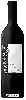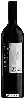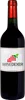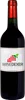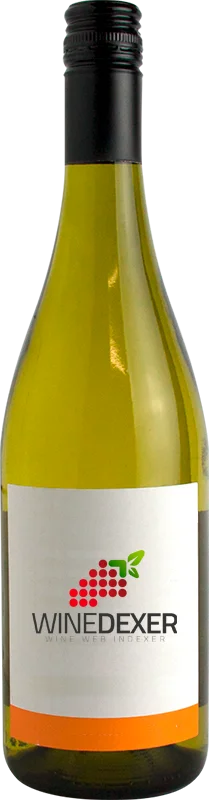
Winery SbragiaSienadale
 Sweet wine


This wine generally goes well with pork, beef or game (deer, venison).
Food and wine pairings with Sienadale
Pairings that work perfectly with Sienadale



Original food and wine pairings with Sienadale


The Sienadale of Winery Sbragia matches generally quite well with dishes of beef, lamb or pork such as recipes of salmon with cream sauce, leg of lamb in a herb crust with preserved vegetables or homemade burger.
Details and technical informations about Winery Sbragia's Sienadale.
Discover the grape variety: Tempranillo
The black Tempranillo is a grape variety native to Spain. It produces a variety of grape specially used for the elaboration of wine. It is rare to find this grape to eat on our tables. This variety of grape is characterized by medium-sized bunches and medium-sized grapes. The black Tempranillo can be found in several vineyards: South-West, Languedoc & Roussillon, Cognac, Bordeaux, Rhone valley, Provence & Corsica, Loire valley, Savoie & Bugey, Beaujolais.
Last vintages of this wine
The best vintages of Sienadale from Winery Sbragia are 2010, 0
Informations about the Winery Sbragia
The Winery Sbragia is one of of the world's great estates. It offers 34 wines for sale in the of Dry Creek Valley to come and discover on site or to buy online.

The wine region of Dry Creek Valley
The wine region of Dry Creek Valley is located in the region of Sonoma County of California of United States. We currently count 414 estates and châteaux in the of Dry Creek Valley, producing 1322 different wines in conventional, organic and biodynamic agriculture. The wines of Dry Creek Valley go well with generally quite well with dishes .
The wine region of California
California is the largest and most important wine region in the United States. It represents the southern two-thirds (850 miles or 1,370 kilometers) of the country's west coast. (Oregon and Washington make up the rest. ) The state also spans nearly 10 degrees of latitude.
The word of the wine: Draft liquor (champagne)
After blending, the wine is bottled with a liqueur de tirage (a mixture of sugar and wine) and a yeast (selected yeasts). The yeast attacks the sugar and creates carbon dioxide. The fermentation, which lasts about two months, is prolonged by an ageing period (15 months minimum in total). The bottle is capped (some rare vintages are capped with a staple and a cork).