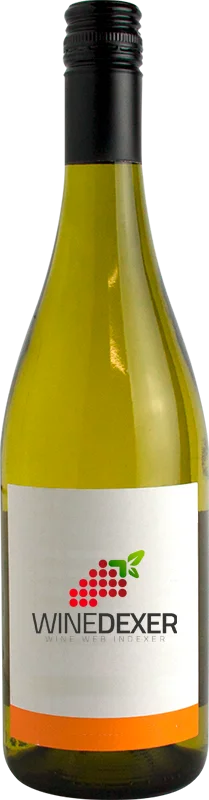
Winery Santos & SantosBranco
 White wine
In the mouth this white wine is a .
This wine generally goes well with pork, lean fish or shellfish.

Taste structure of the Branco from the Winery Santos & Santos
Light | Bold | |
Dry | Sweet | |
Soft | Acidic |
In the mouth the Branco of Winery Santos & Santos in the region of Lisboa is a .
Food and wine pairings with Branco
Pairings that work perfectly with Branco



Original food and wine pairings with Branco

The Branco of Winery Santos & Santos matches generally quite well with dishes of pasta, pork or shellfish such as recipes of pasta romantica, texas style ribs / loin ribs or fish curry à la reunion.
Details and technical informations about Winery Santos & Santos's Branco.
Discover the grape variety: Golden muscat
Aromatic, sweet and original whites with a pale golden color, supple palate and variable acidity, offering intense signature aromas of muscat, fresh grapes, white flowers and characteristic foxy notes (typical of Vitis labrusca, reminiscent of strawberry and candy). An exotic, indulgent profile. Grown in the north-east USA (New York) and widely exported to Japan for sweet wines, sparkling and table grape consumption. American hybrid created in 1925.
Informations about the Winery Santos & Santos
The Winery Santos & Santos is one of of the world's greatest estates. It offers 4 wines for sale in the of Lisboa to come and discover on site or to buy online.

The wine region of Lisboa
Vast coastal IGP north of Lisbon, Portugal's largest producer by volume. Accessible, sun-filled reds: fruity, spicy Castelão, dense Touriga Nacional (black fruit, violet), fleshy Trincadeira, deep Alicante Bouschet. Fresh, mineral whites: straight, lemony Arinto (star of Bucelas), aromatic Fernão Pires, round Vital and Malvasia. Structured reds from Alenquer, sparkling at Óbidos.
The word of the wine: Tanin
A natural compound contained in the skin of the grape, the seed or the woody part of the bunch, the stalk. The maceration of red wines allows the extraction of tannins, which give the texture, the solidity and also the mellowness when the tannins are "ripe". The winemaker seeks above all to extract the tannins from the skin, the ripest and most noble. The tannins of the seed or stalk, which are "greener", especially in average years, give the wine hardness and astringency. The wines of Bordeaux (based on Cabernet and Merlot) are full of tannins, those of Burgundy much less so, with Pinot Noir containing little.