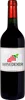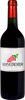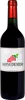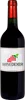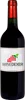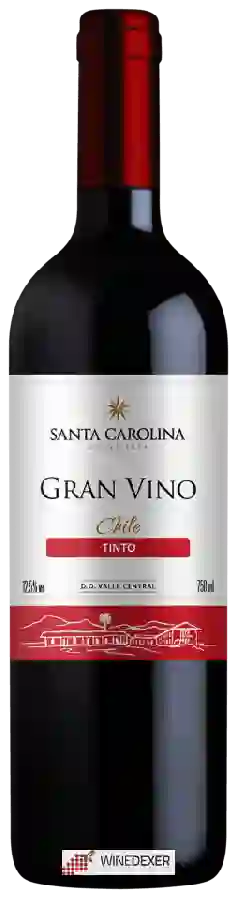
Winery Santa CarolinaGran Vino Tinto
 Red wine


This wine is a blend of 3 varietals which are the Cabernet-Sauvignon, the Carmenère and the Merlot.
This wine generally goes well with poultry, beef or game (deer, venison).
Food and wine pairings with Gran Vino Tinto
Pairings that work perfectly with Gran Vino Tinto



Original food and wine pairings with Gran Vino Tinto


The Gran Vino Tinto of Winery Santa Carolina matches generally quite well with dishes of beef, lamb or game (deer, venison) such as recipes of baked lasagna, lamb chops with figs and honey or duck leg confit in cider.
Details and technical informations about Winery Santa Carolina's Gran Vino Tinto.
Discover the grape variety: Cabernet-Sauvignon
Cabernet-Sauvignon noir is a grape variety that originated in France (Bordeaux). It produces a variety of grape specially used for wine making. It is rare to find this grape to eat on our tables. This variety of grape is characterized by small bunches, and small grapes. Cabernet-Sauvignon noir can be found in many vineyards: South-West, Loire Valley, Languedoc & Roussillon, Cognac, Bordeaux, Armagnac, Rhone Valley, Provence & Corsica, Savoie & Bugey, Beaujolais.
Last vintages of this wine

The best vintages of Gran Vino Tinto from Winery Santa Carolina are 2016, 2017, 2011, 2018 and 0.
Informations about the Winery Santa Carolina
The Winery Santa Carolina is one of of the world's great estates. It offers 204 wines for sale in the of Rapel Valley to come and discover on site or to buy online.

The wine region of Rapel Valley
Rapel Valley is a large wine-producing region in Chile's Central Valley. Made up of the Colchagua and Cachapoal valleys, the area produces roughly a quarter of all Chilean wine. The Warm, Dry region makes a wide range of wine styles, ranging from everyday wines to some of Chile's most expensive and prestigious offerings. Cabernet Sauvignon, Syrah and Carmenère are the most important grape varieties planted here.
The wine region of Central Valley
The Central Valley (El Valle Central) of Chile is one of the most important wine-producing areas in South America in terms of Volume. It is also one of the largest wine regions, stretching from the Maipo Valley (just south of Santiago) to the southern end of the Maule Valley. This is a distance of almost 250 miles (400km) and covers a number of Climate types. The Central Valley wine region is easily (and often) confused with the geological Central Valley, which runs north–south for more than 620 miles (1000km) between the Pacific Coastal Ranges and the lower Andes.
The word of the wine: Performance
Quantity of grapes harvested per hectare. In AOC, the average yield is limited on the proposal of the appellation syndicate, validated by the Inao. The use of high-performance plant material (especially clones) and better control of vine diseases have increased yields. This is not without consequences on the quality of the wines (dilution) and on the state of the market (too much wine). We must not over-simplify: low yields are not synonymous with quality, and it is often in years with generous harvests that we find the greatest vintages (1982 and 1986 in Bordeaux, 1996 in Champagne, 1990 and 2005 in Burgundy...).