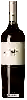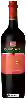
Bodegas San HubertoSade Cabernet Sauvignon
 Red wine


In the mouth this red wine is a powerful with a lot of tannins present in the mouth.
This wine generally goes well with poultry, beef or lamb.

Taste structure of the Sade Cabernet Sauvignon from the Bodegas San Huberto
Light | Bold | |
Smooth | Tannic | |
Dry | Sweet | |
Soft | Acidic |
In the mouth the Sade Cabernet Sauvignon of Bodegas San Huberto in the region of La Rioja is a powerful with a lot of tannins present in the mouth.
Food and wine pairings with Sade Cabernet Sauvignon
Pairings that work perfectly with Sade Cabernet Sauvignon



Original food and wine pairings with Sade Cabernet Sauvignon
The Sade Cabernet Sauvignon of Bodegas San Huberto matches generally quite well with dishes of beef, lamb or poultry such as recipes of beef with dark beer, mouse of lamb with honey and thyme or eggs in meurette.
Details and technical informations about Bodegas San Huberto's Sade Cabernet Sauvignon.
Discover the grape variety: Cabernet-Sauvignon
Structured, tannic reds, deeply coloured, with aromas of blackcurrant, blackberry, cedar, tobacco and graphite, underpinned by firm acidity and fine ageing potential. Cornerstone of the great Médoc estates (Pauillac, Saint-Estèphe, Saint-Julien) and signature of Napa Valley, Coonawarra and Maipo. The world's most planted red variety, a natural cross of Cabernet Franc x Sauvignon Blanc born in Bordeaux.
Last vintages of this wine

The best vintages of Sade Cabernet Sauvignon from Bodegas San Huberto are 2014, 2018, 2017, 0 and 2013.
Informations about the Bodegas San Huberto
The Bodegas San Huberto is one of of the world's great estates. It offers 84 wines for sale in the of La Rioja to come and discover on site or to buy online.

The wine region of La Rioja
Wine province of northwest Argentina, historical cradle of national viticulture at over 1,100 m altitude. Torrontés Riojano signature as king white: aromatic and expressive with signature notes of rose, jasmine, white peach, citrus and a musky touch, dry yet round palate — the most expressive of Argentina's three Torrontés, cousin of Muscat. Also dense Malbec, spicy Syrah, supple Bonarda, firm Cabernet. Dry sunny continental climate, drip irrigation.
The word of the wine: Disgorging (champagne)
This is the evacuation of the deposit formed by the yeasts during the second fermentation in the bottle, by opening the bottle. The missing volume is completed with the liqueur de dosage - a mixture of wine and cane sugar - before the final cork is placed. For some years now, some producers have been replacing this sugar with rectified concentrated musts (concentrated grape juice) which give excellent results. A too recent dosage (less than three months) harms the gustatory harmony of the champagne.