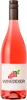
Winery Salzillo (ES)Hacienda Semi-Dulce
 Sweet wine


This wine generally goes well with
Details and technical informations about Winery Salzillo (ES)'s Hacienda Semi-Dulce.
Discover the grape variety: Raisaine
Most certainly Ardéchoise, formerly cultivated in the region of Privas, Aubenas, Joyeuse and Largentière. It is the result of a natural intra-specific crossing between the black ribier and the red grec. Today, Raisaine is totally absent from the vineyards and is therefore in danger of disappearing, although it is listed in the Official Catalogue of Wine Grapes, list A.
Last vintages of this wine
The best vintages of Hacienda Semi-Dulce from Winery Salzillo (ES) are 0
Informations about the Winery Salzillo (ES)
The Winery Salzillo (ES) is one of of the world's greatest estates. It offers 16 wines for sale in the of Jumilla to come and discover on site or to buy online.

The wine region of Jumilla
The wine region of Jumilla is located in the region of Murcie of Spain. Wineries and vineyards like the Domaine Bodegas El Nido or the Domaine Bodegas El Nido produce mainly wines red, white and pink. The most planted grape varieties in the region of Jumilla are Cabernet-Sauvignon, Tempranillo and Petit Verdot, they are then used in wines in blends or as a single variety. On the nose of Jumilla often reveals types of flavors of oak, orange blossom or honeysuckle and sometimes also flavors of stone fruit, grass or jasmine.
The wine region of Murcie
Murcia is one of the smallest and least known regions in Spain. Nestled in the extreme Southeast of the country, it is bordered by Andalusia to the west, Castilla-La Mancha to the North, Valencia to the east and the Mediterranean Sea to the south. This small administrative region consists of a single province and an administrative centre that share the same name. As far as wine is concerned, Murcia has three designations of origin.
The word of the wine: Ugni blanc
White grape variety of Italian origin, and the main white variety grown in France. Its large bunches give fine, light and lively wines, suitable for distillation: today it is the main variety for making cognac and armagnac. Ugni blanc, which is a little richer in alcohol when grown in Mediterranean regions, is used in the blending of the Provence and Corsica appellations, often in association with other grape varieties that bring aromas and structure, such as clairette, grenache blanc or sauvignon. Ugni blanc is also used, on a secondary basis, in the production of certain white wines in Gironde (AOC Bordeaux, Entre-deux-Mers, etc.).