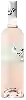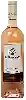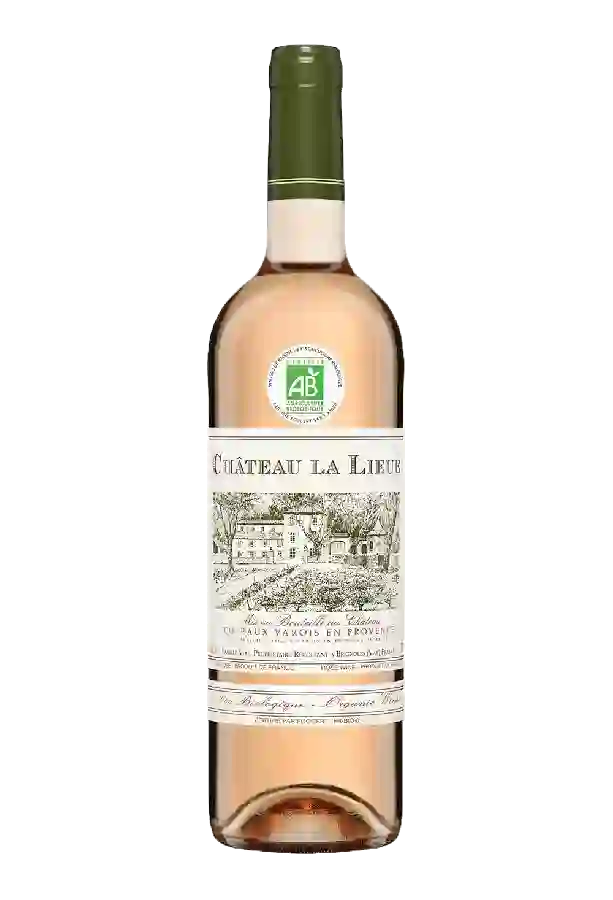
Château Saint-HilaireCôté Sud Rosé
 Pink wine


In the mouth this pink wine is a with a nice freshness.
This wine generally goes well with pork, vegetarian or poultry.

Taste structure of the Côté Sud Rosé from the Château Saint-Hilaire
Light | Bold | |
Dry | Sweet | |
Soft | Acidic |
In the mouth the Côté Sud Rosé of Château Saint-Hilaire in the region of Provence is a with a nice freshness.
Food and wine pairings with Côté Sud Rosé
Pairings that work perfectly with Côté Sud Rosé



Original food and wine pairings with Côté Sud Rosé

The Côté Sud Rosé of Château Saint-Hilaire matches generally quite well with dishes of pork, shellfish or vegetarian such as recipes of melt-in-the-mouth pork tenderloin casserole, mussel clusters or tuna, pepper and tomato quiche.
Details and technical informations about Château Saint-Hilaire's Côté Sud Rosé.
Discover the grape variety: Azal
Vivid, intensely coloured reds with a dark ruby colour, marked tannins and a sharp palate with high acidity, showing signature aromas of sharp red fruits (cherry, redcurrant), spices, herbs and Atlantic mineral notes. Tense, highly distinctive northern profile. Often blended with Vinhão and Espadeiro, contributing to Vinho Verde reds from the Minho. Native black variety from the Vinho Verde region (also known as Azal Tinto), sub-region of Basto.
Informations about the Château Saint-Hilaire
The Château Saint-Hilaire is one of of the world's great estates. It offers 15 wines for sale in the of Coteaux d'Aix-en-Provence to come and discover on site or to buy online.

The wine region of Coteaux d'Aix-en-Provence
Provençal AOC between the Durance, Rhône, Mediterranean and Sainte-Victoire, 70% rosés. Fresh, fruity rosés with signature notes of strawberry, grapefruit, white peach, flowers and a garrigue touch, taut and thirst-quenching palate — the sunny Provençal aperitif. Supple reds blending Grenache, Syrah, Cinsault, Mourvèdre and Cabernet Sauvignon (spice, density, structure). Whites Rolle (Vermentino) and Clairette, ample with white flowers.
The wine region of Provence
World capital of dry, refined rosé (~90% of production). Pale rose-petal colour, delicate nose of fresh red fruits (strawberry, raspberry, redcurrant), citrus (pink grapefruit), white flowers and a mineral touch, taut and thirst-quenching palate — the Mediterranean aperitif par excellence. Blends of Grenache, Cinsault, Syrah, Tibouren and Mourvèdre. Fleshy Bandol reds from Mourvèdre (leather, garrigue, age-worthy), straight Cassis whites.
The word of the wine: Passerillage
Concentration of the grape by drying out, under the influence of wind or sun, as opposed to botrytisation, which is the concentration obtained by the development of the "noble rot" for which Botrytis cinerea is responsible. The word is mainly used for sweet wines.